Hypersignal
May
28
July
09
2026
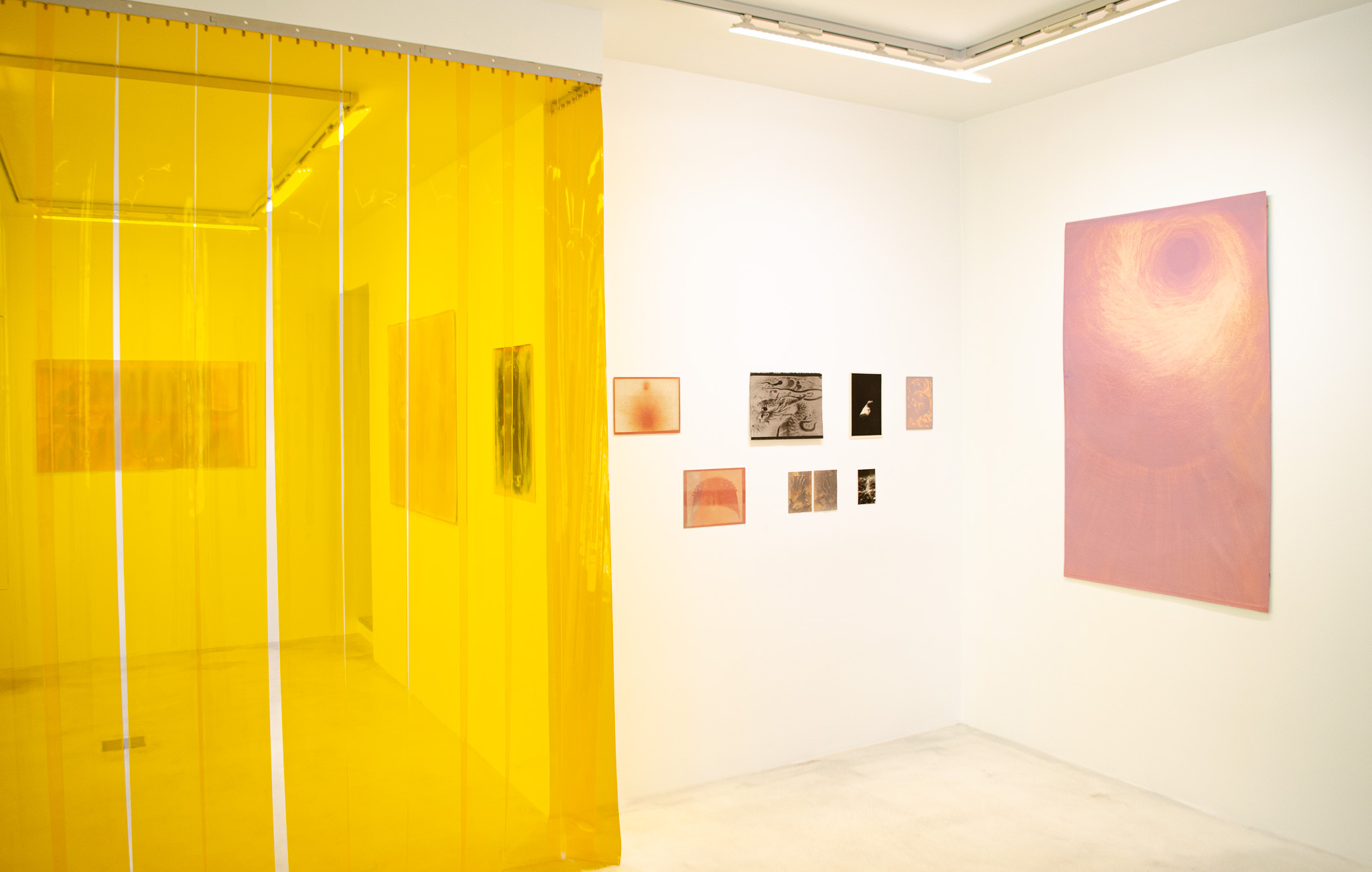
“The strength of a photograph lies in its ability to keep open for scrutiny moments that the normal flow of time immediately sweeps away. This freezing of time - the insolent, poignant stasis of every photograph - has created new, more inclusive aesthetic canons” Susan Sontag, On Photography (1977)
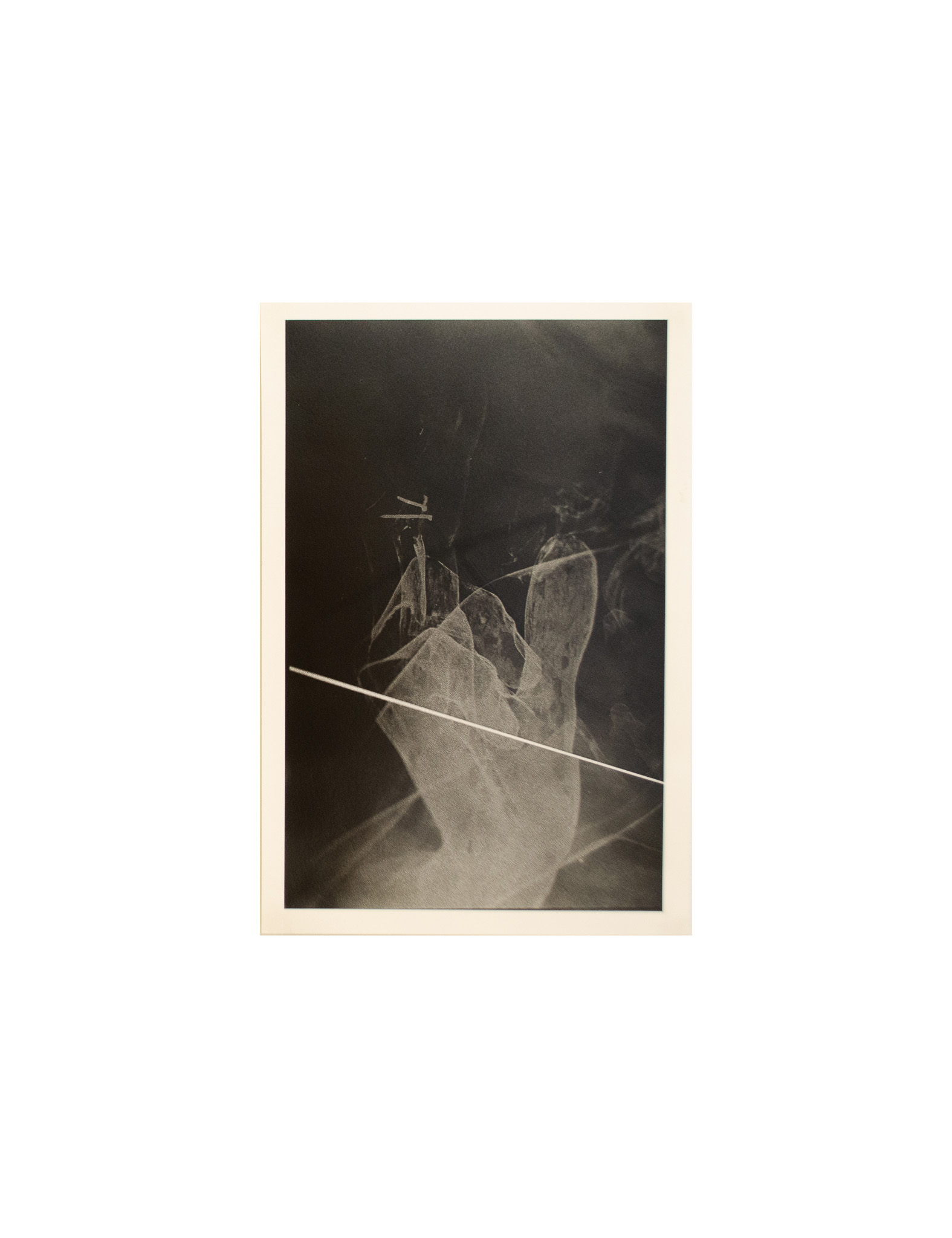
This quotation could serve as the opening of “Hypersignal”, much as one might slightly open the door to a darkroom: not to rediscover the world, but to observe what it becomes as it passes through a succession of operations, filtrations, exposures, and luminous translations. Winca Mendy’s first solo exhibition since graduating from the École nationale supérieure des Beaux-Arts de Paris, where he received the jury’s highest honors in 2025, “Hypersignal” brings together a body of work in which the image appears less as representation than as a phenomenon undergoing transformation.The exhibition’s title is borrowed from the vocabulary of medical imaging, particularly MRI technology. In this context, the signal refers to the response of tissues to magnetic impulses; the image is never a direct capture of reality but rather a translation of variations in intensity. A hypersignal designates an abnormally bright area within this reading: an anomaly, a density, a persistence, something that exceeds the simple recognition of forms.
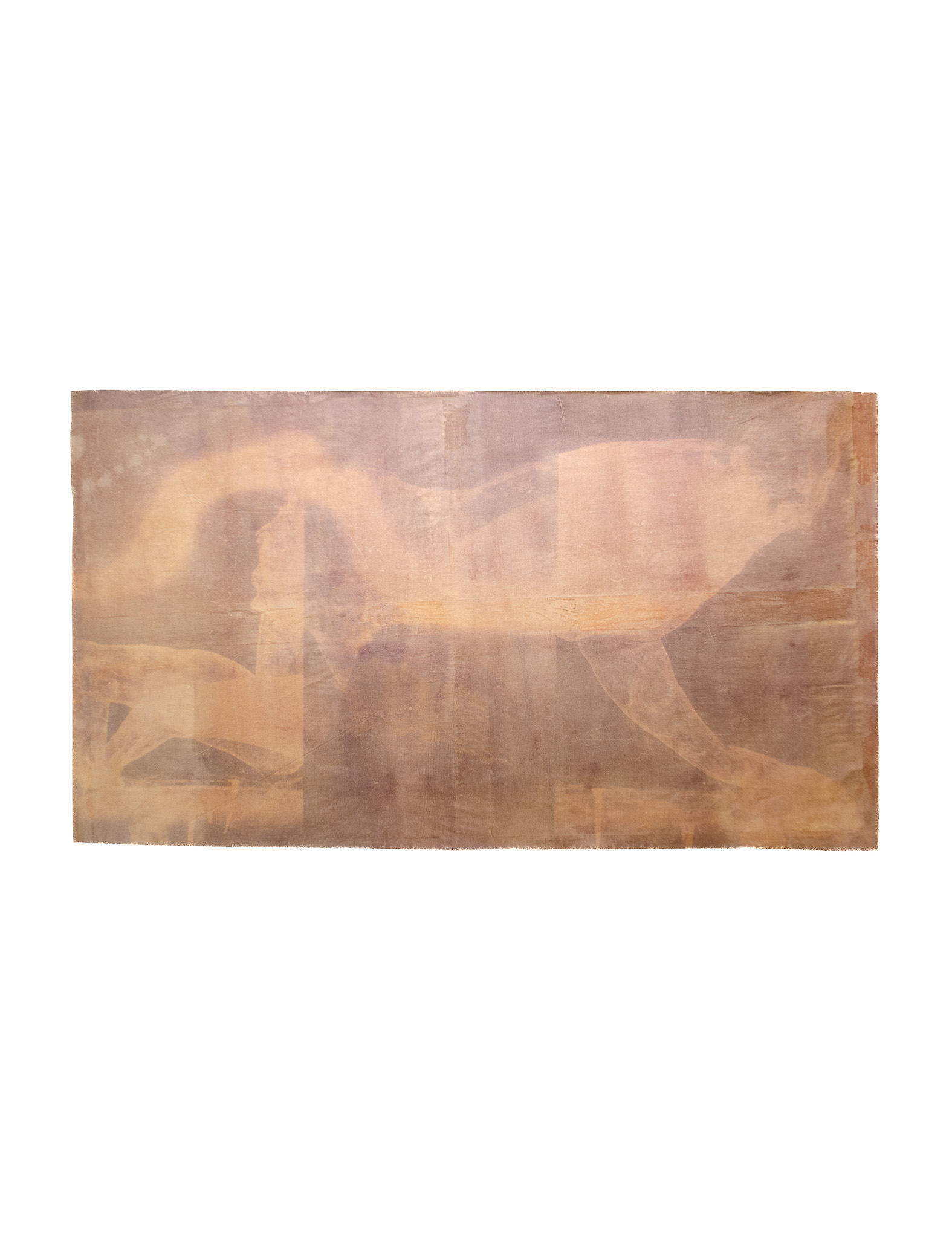
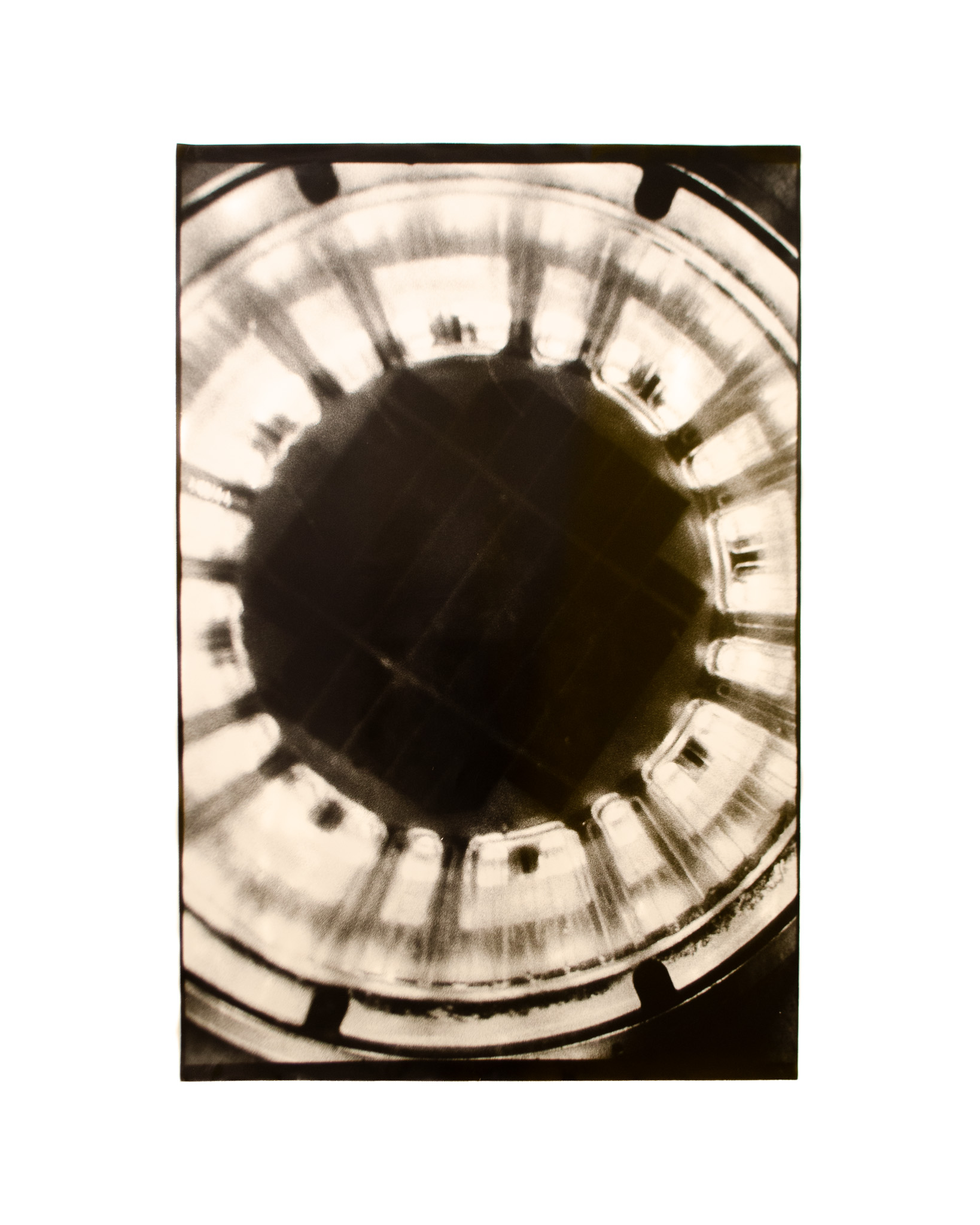
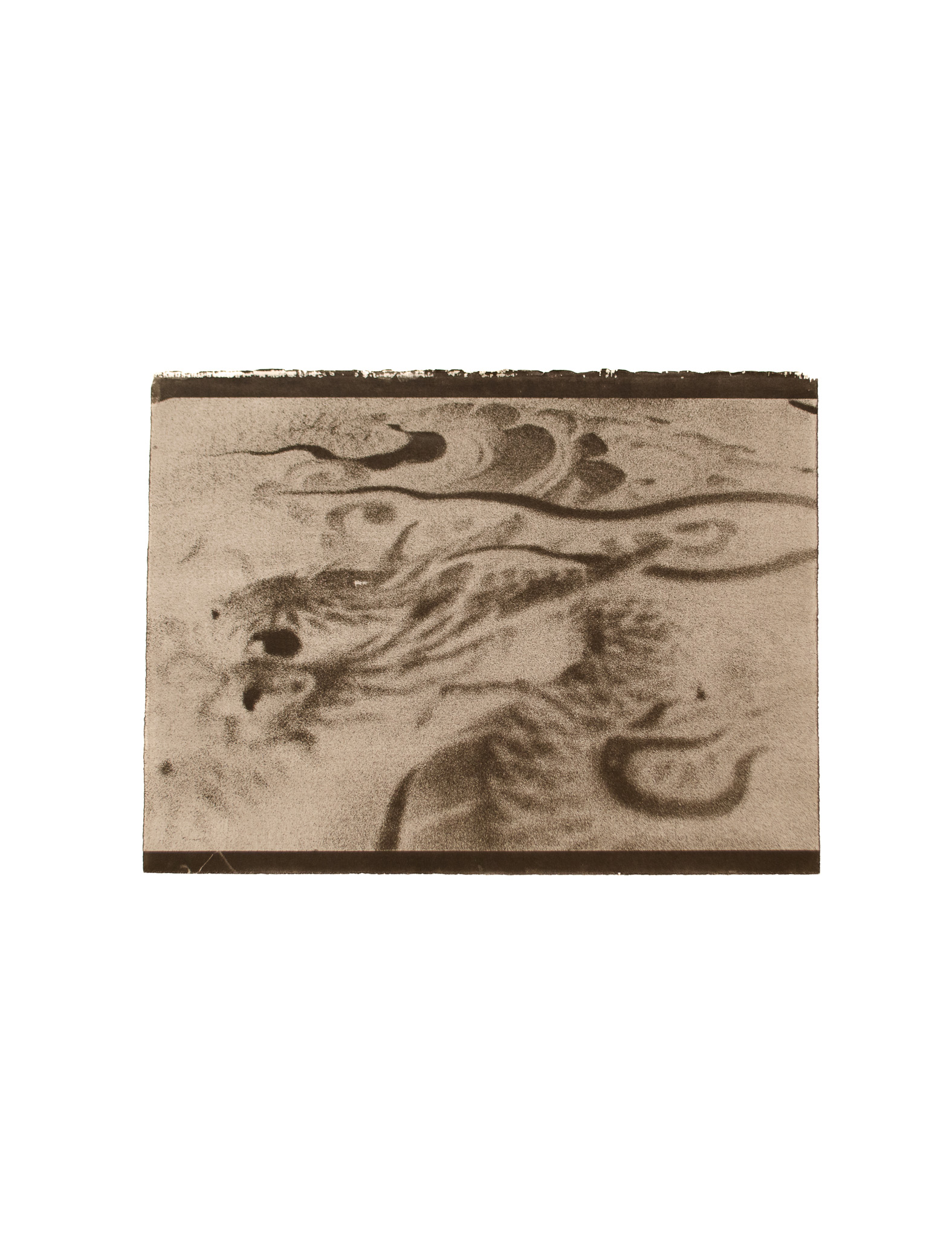
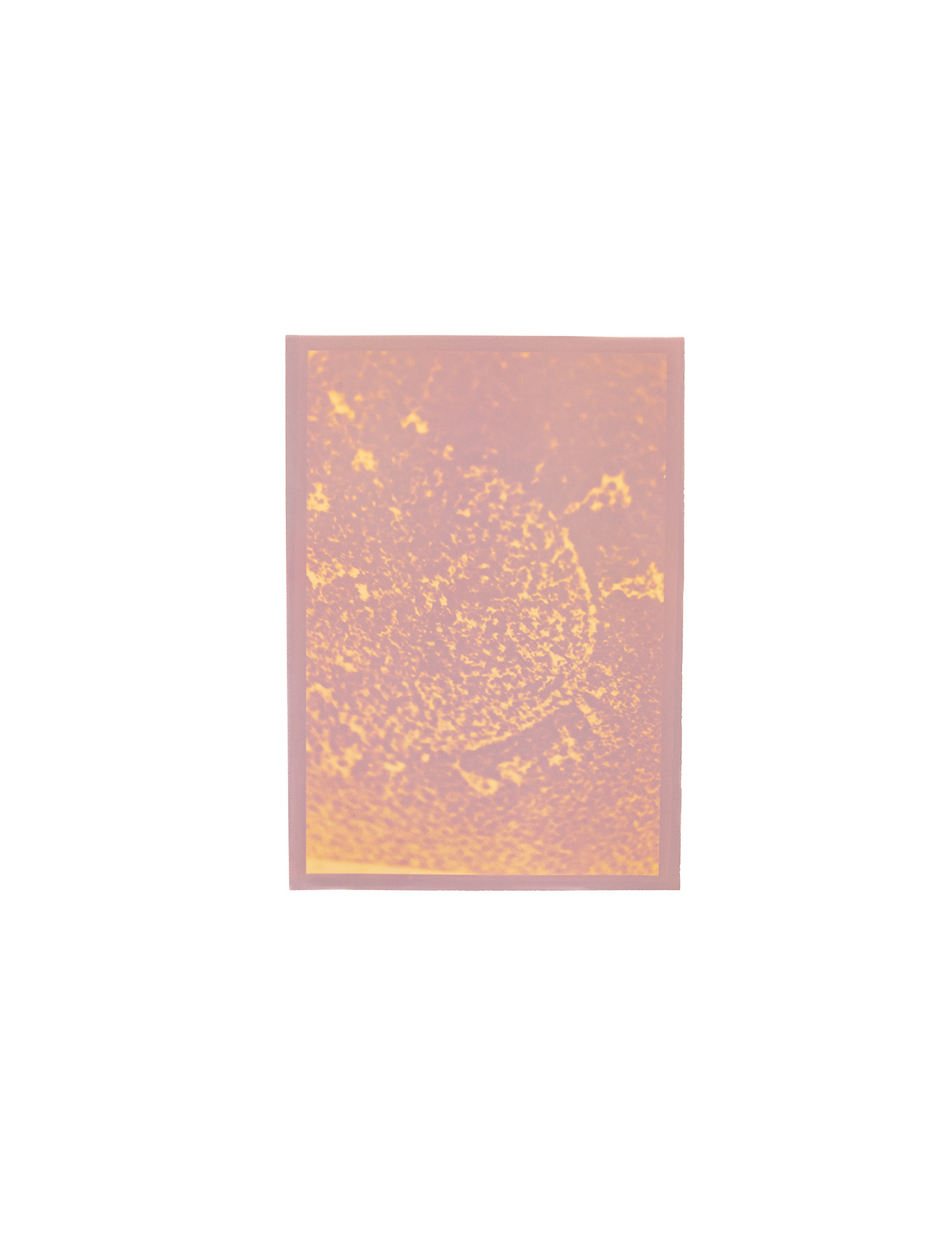
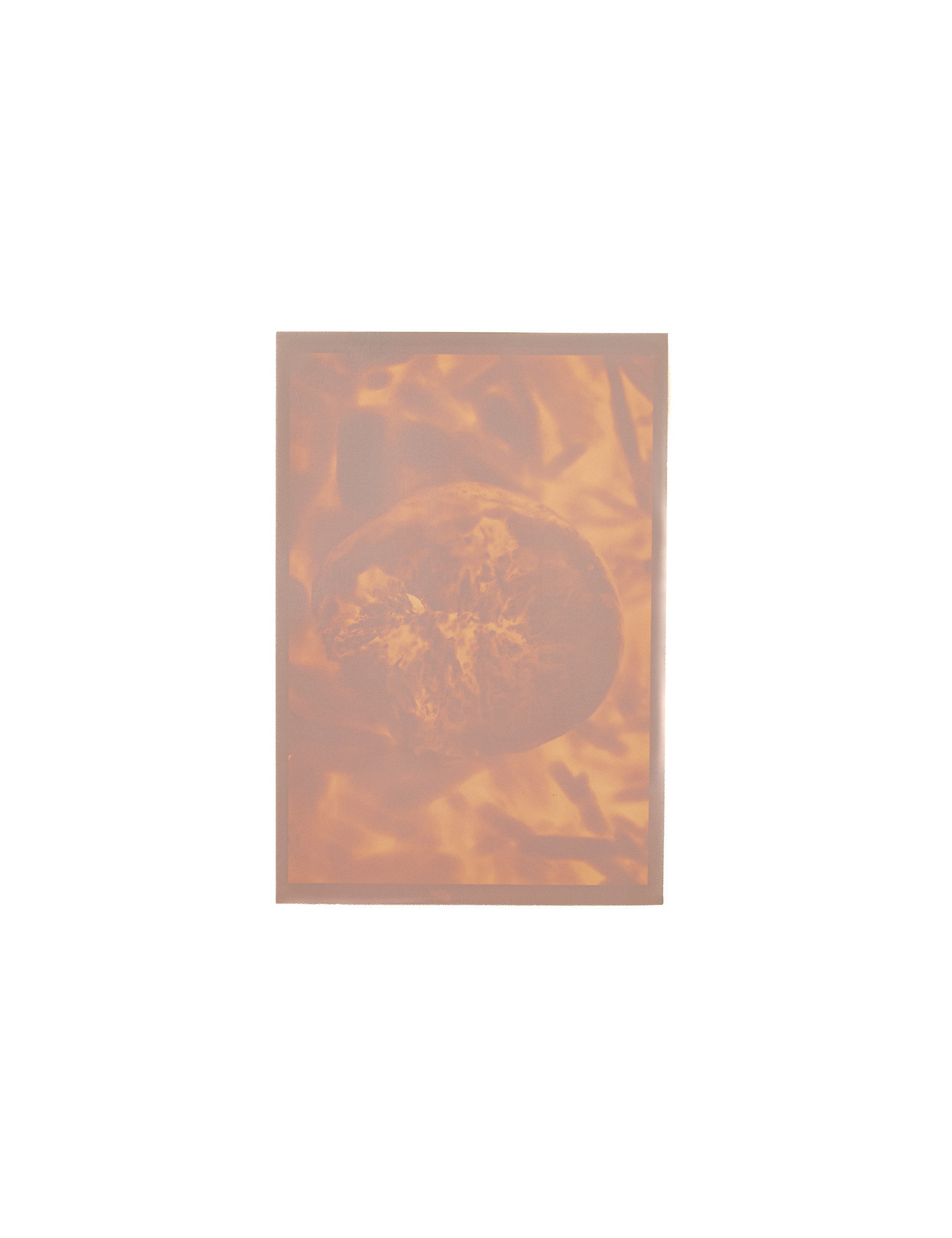
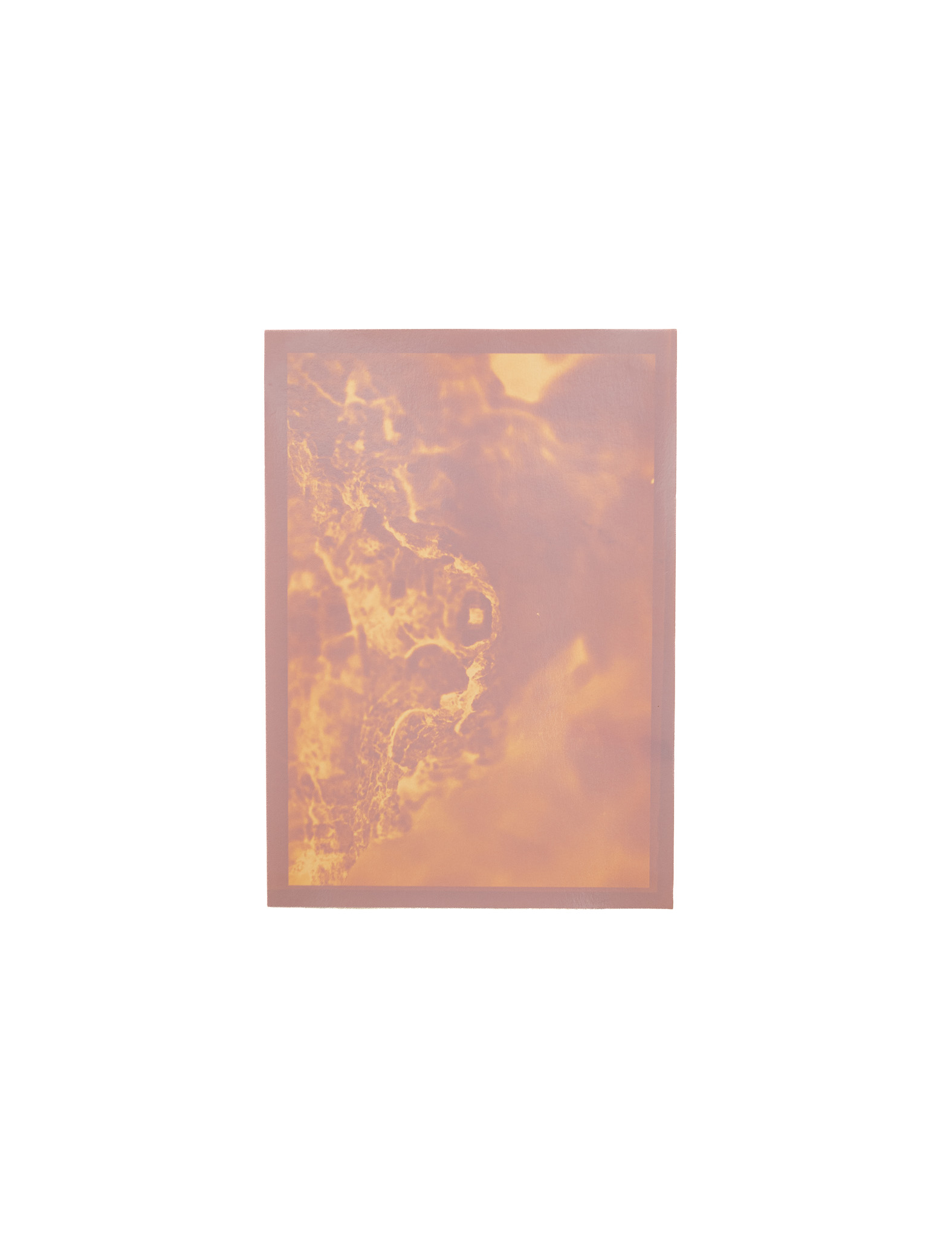
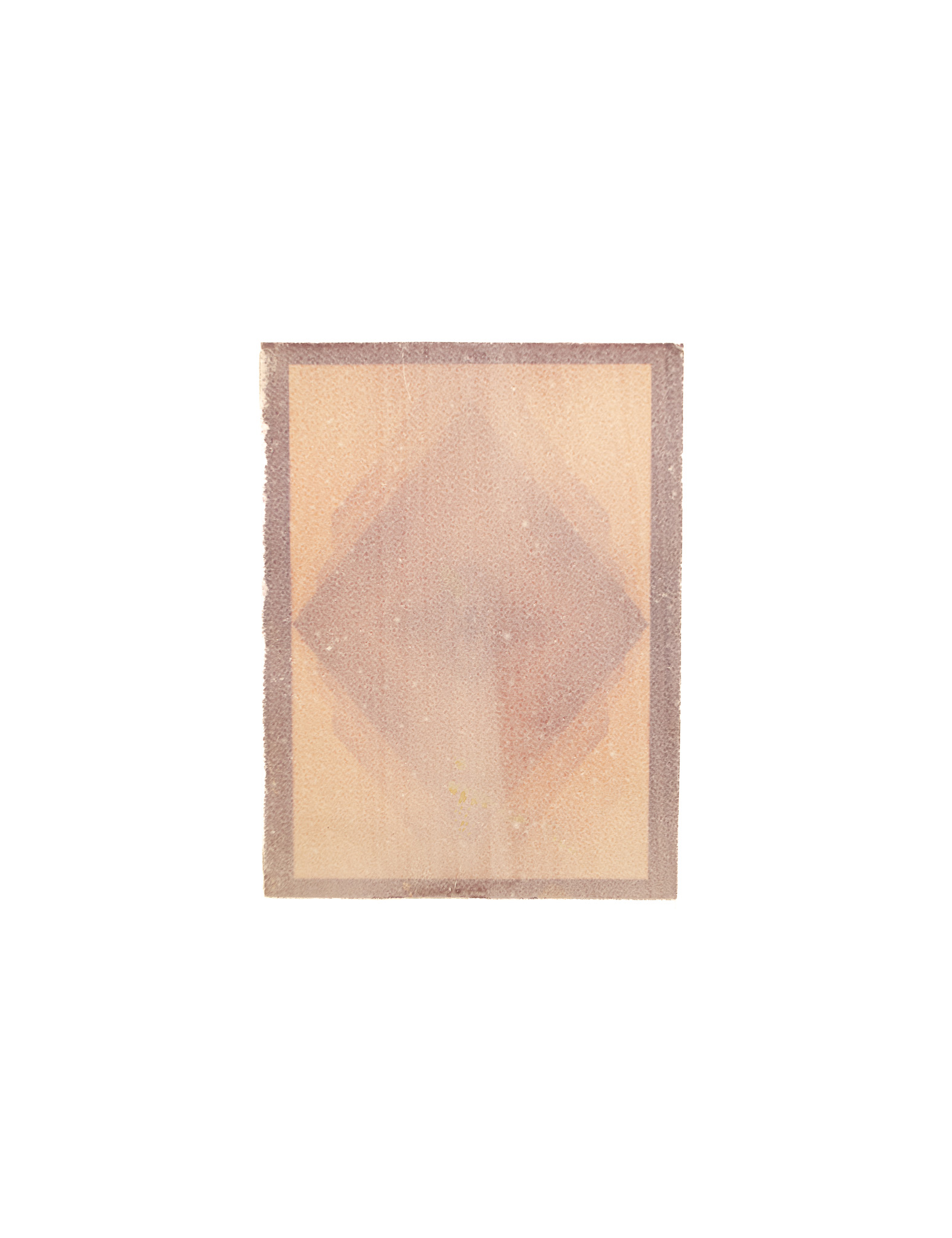
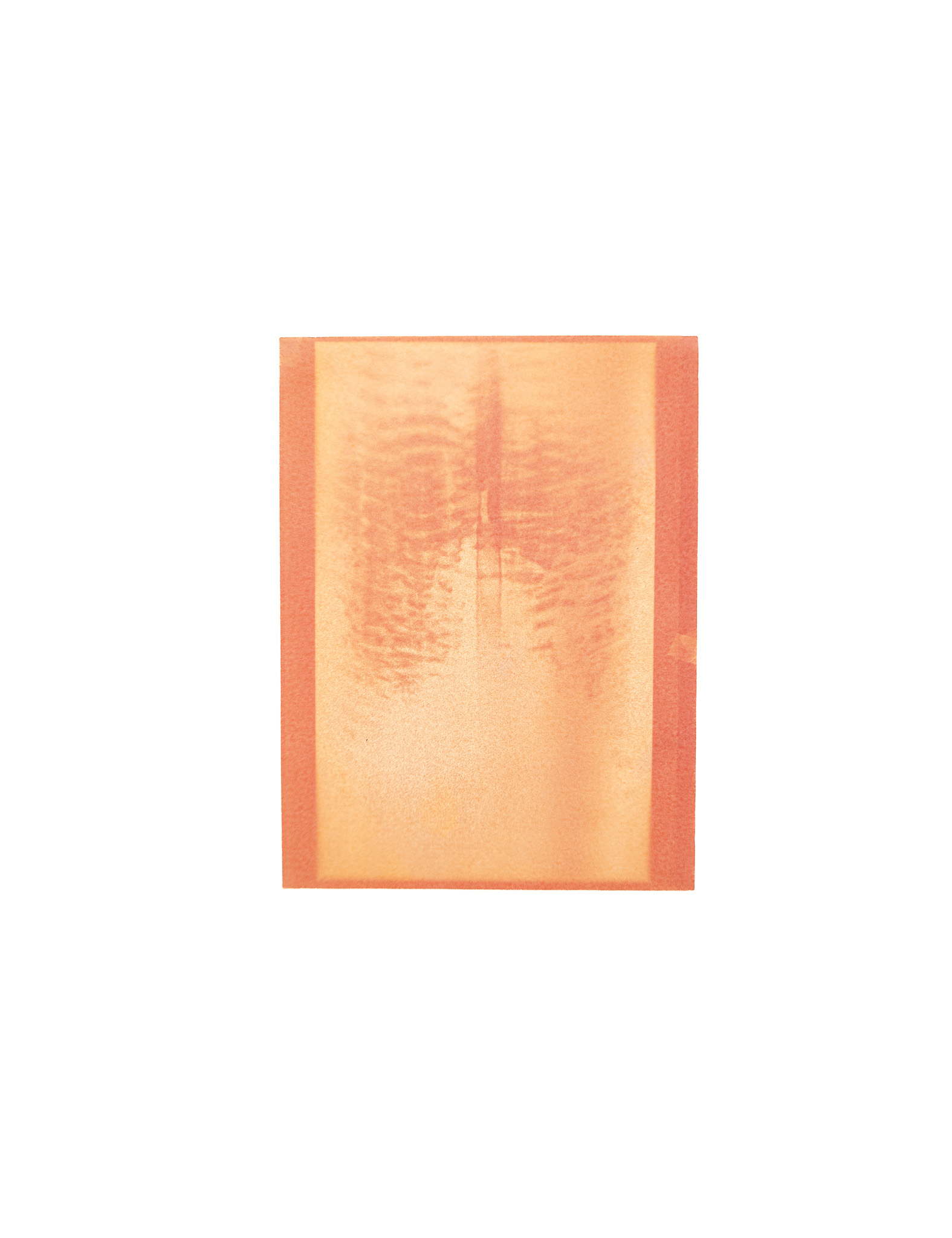
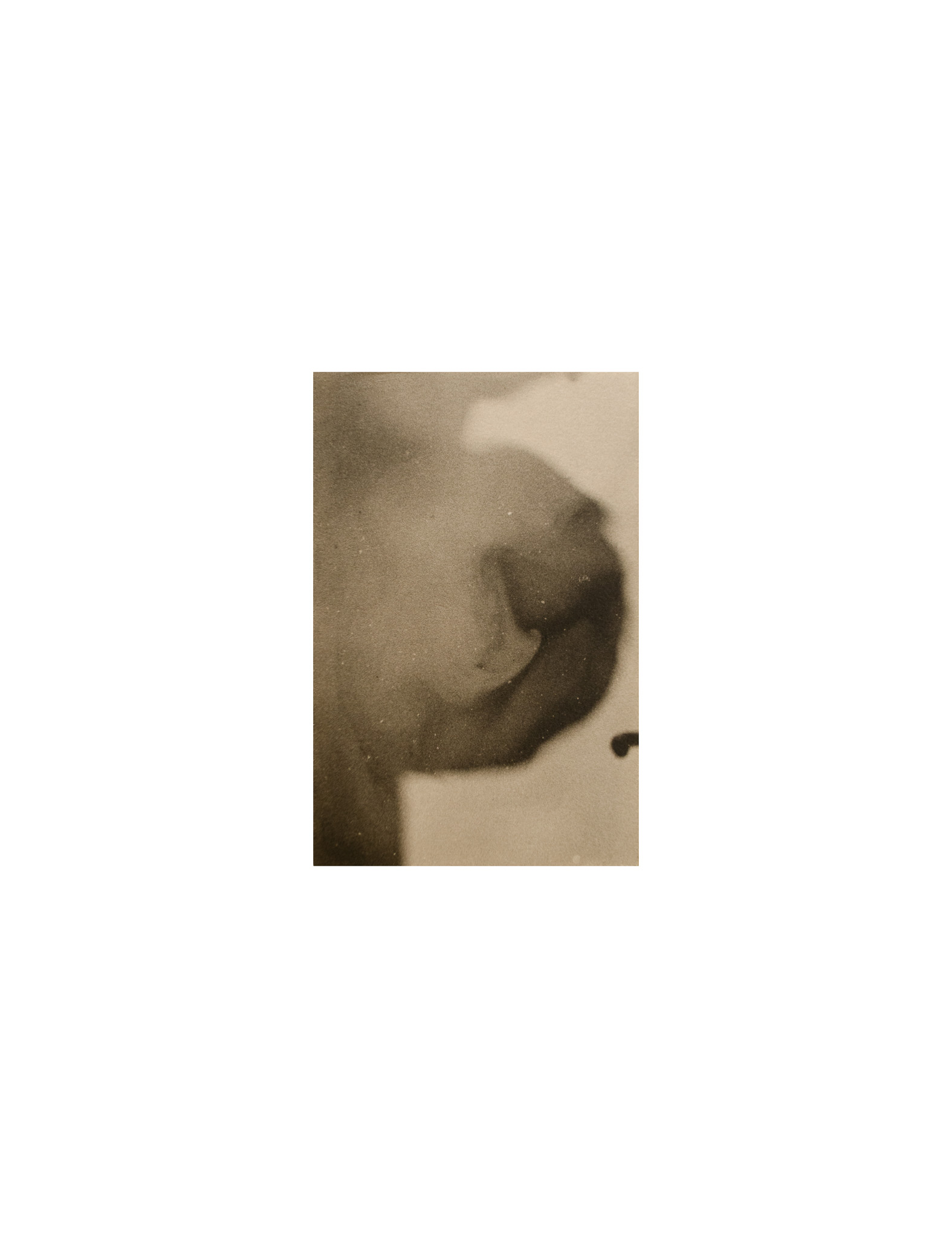
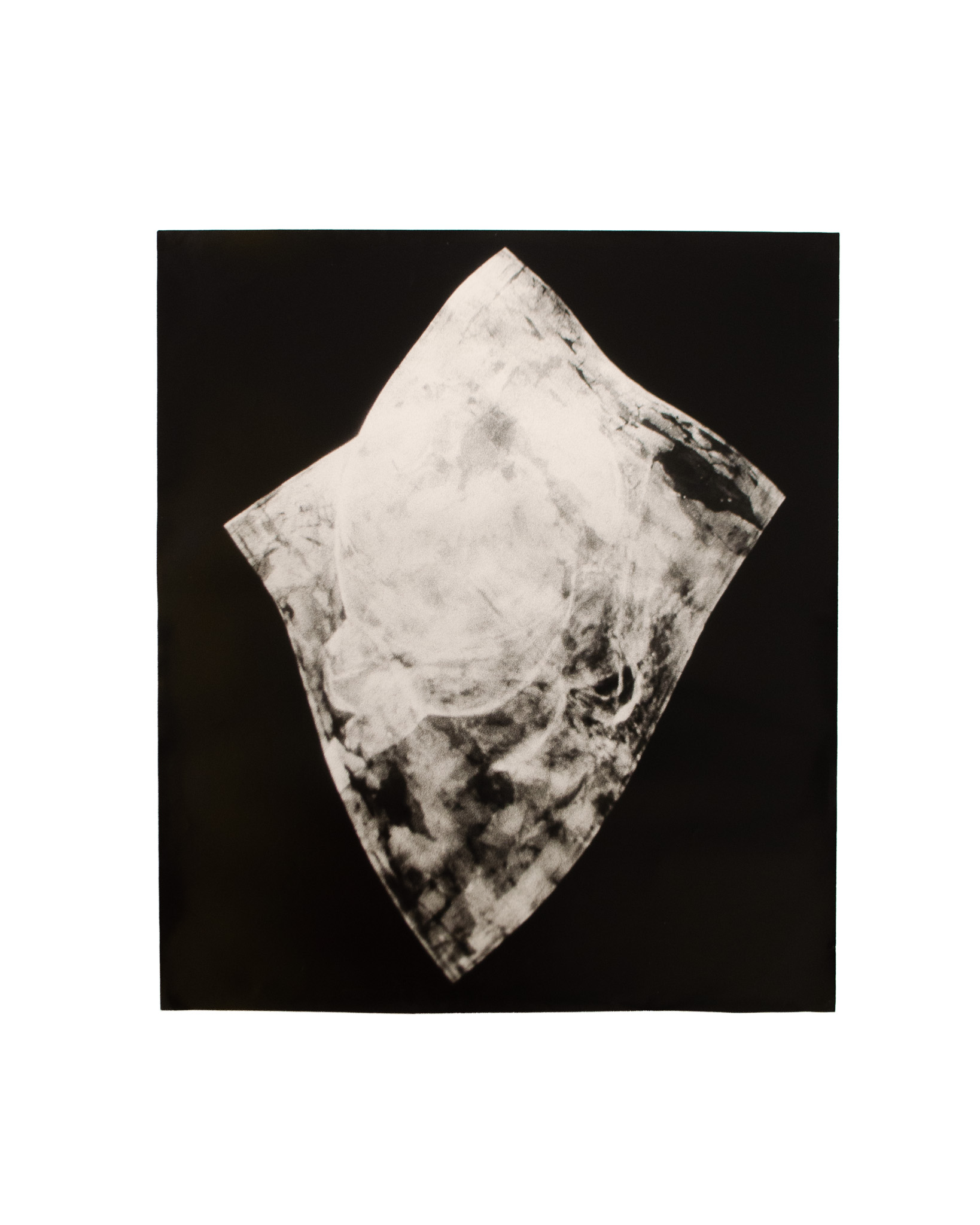
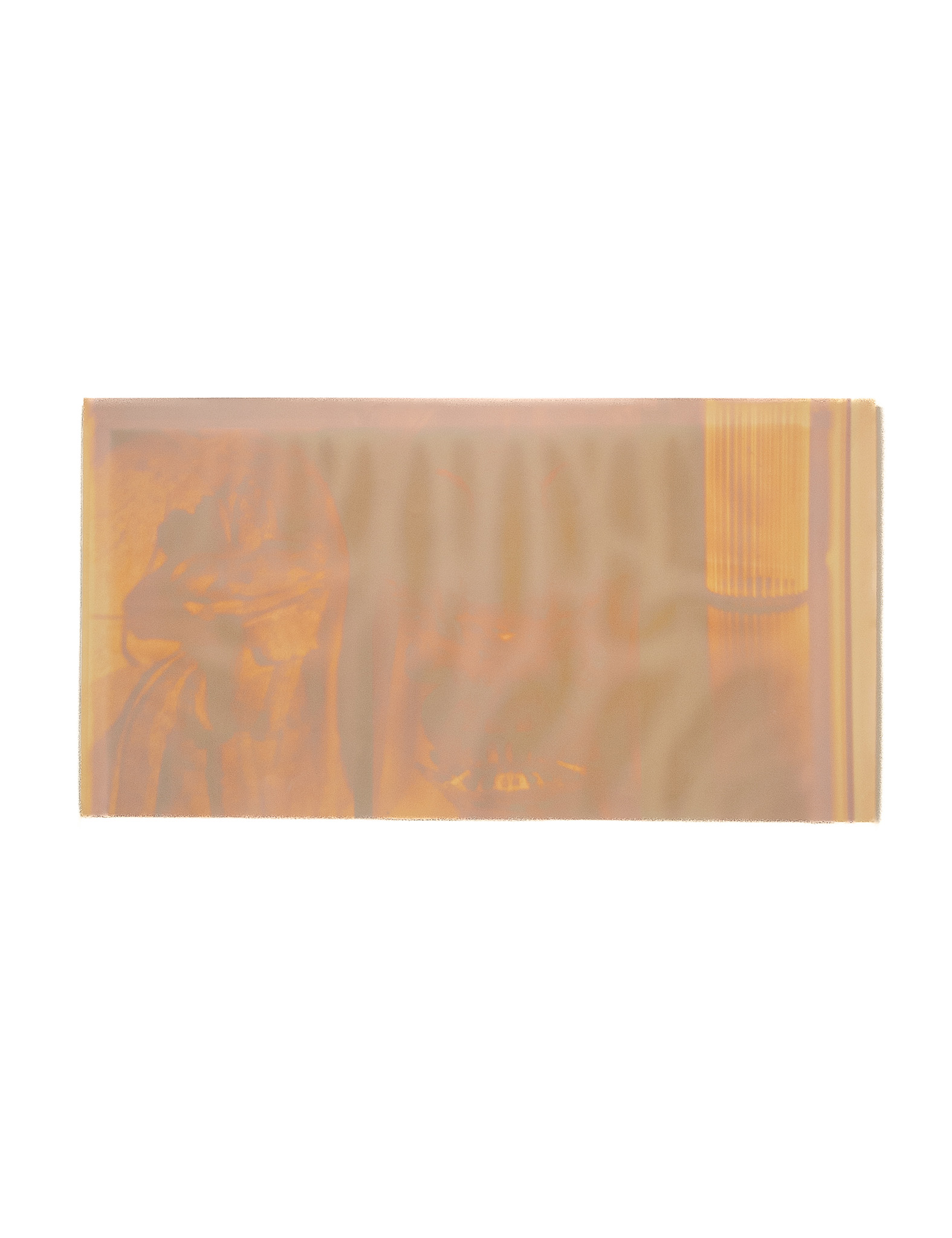
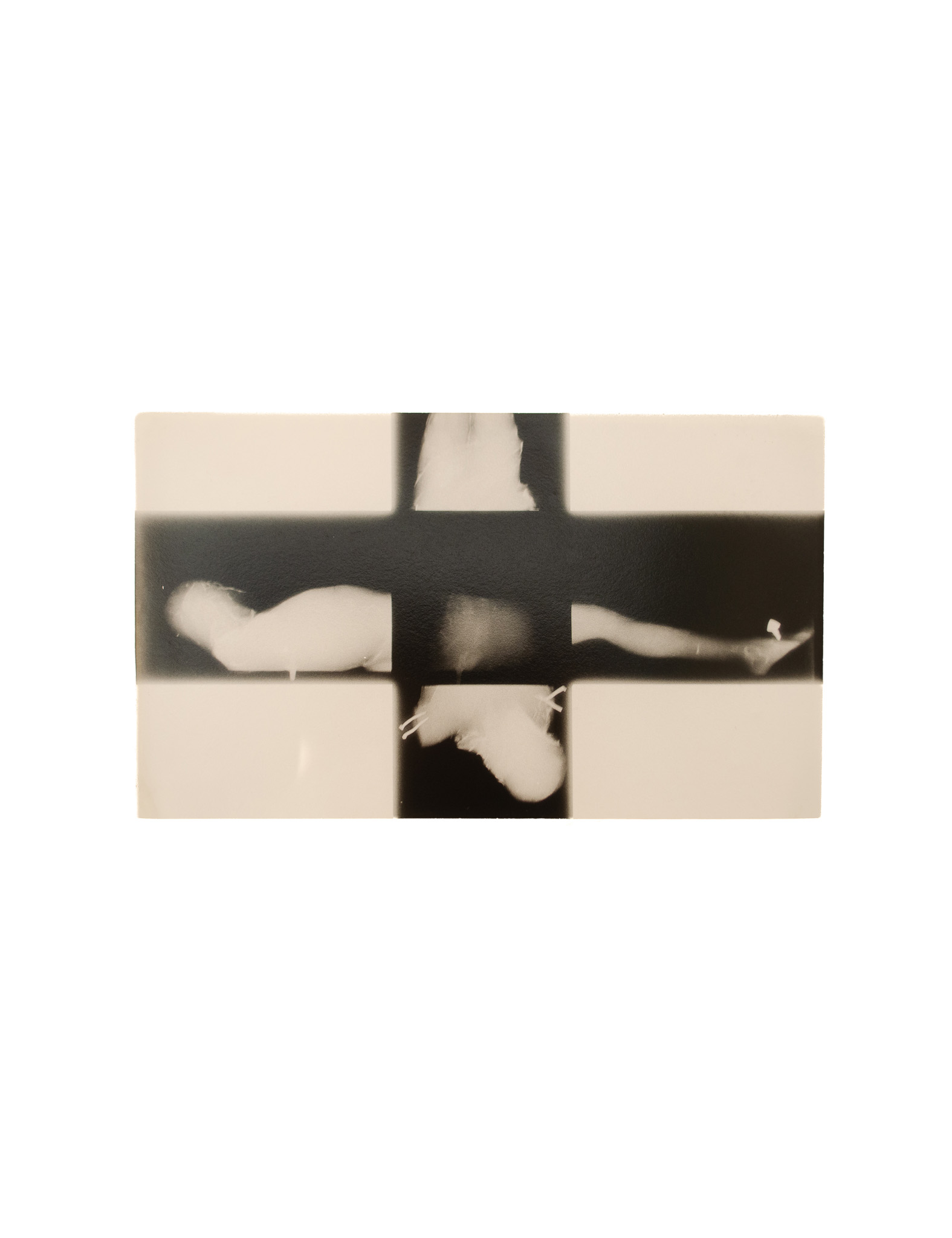
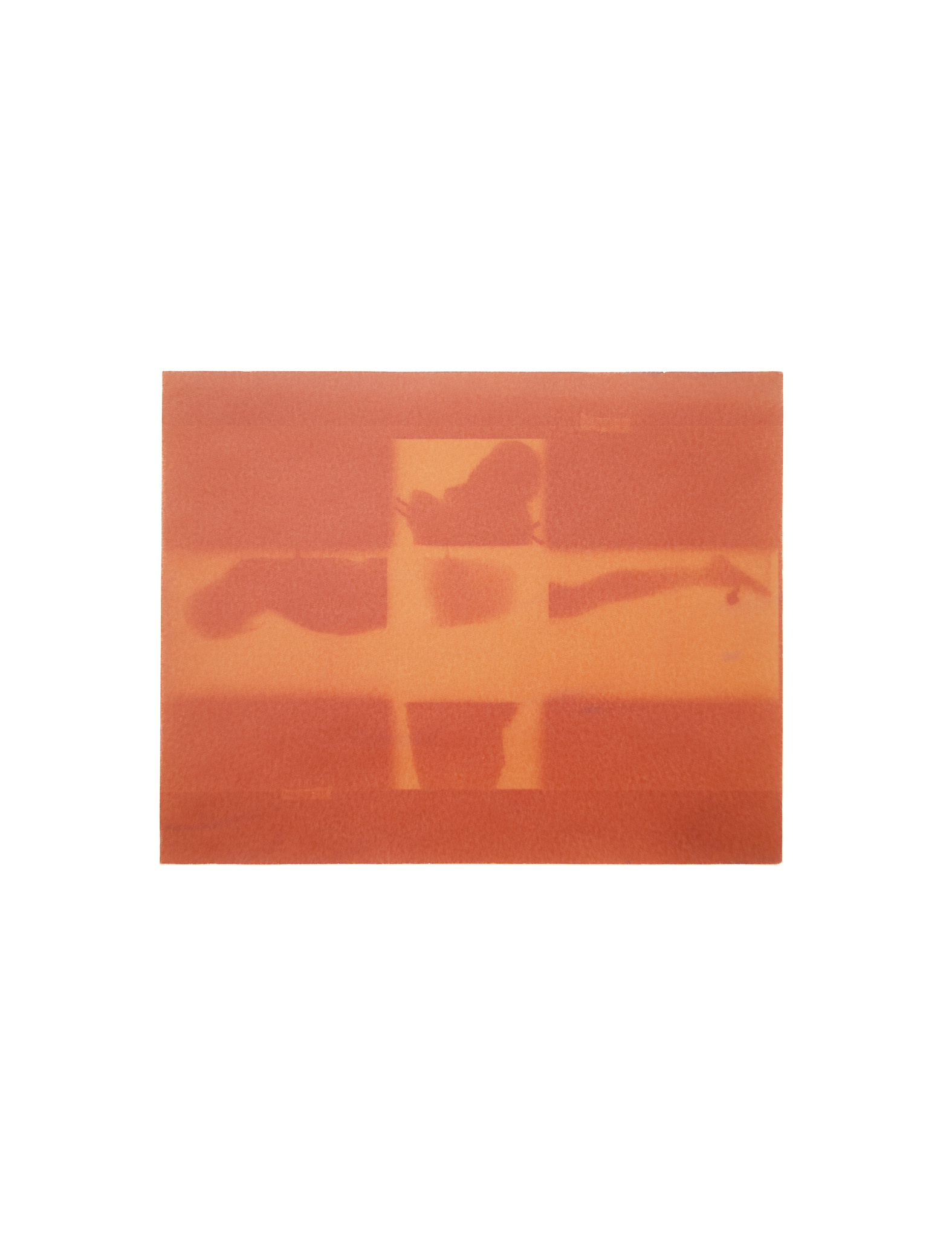
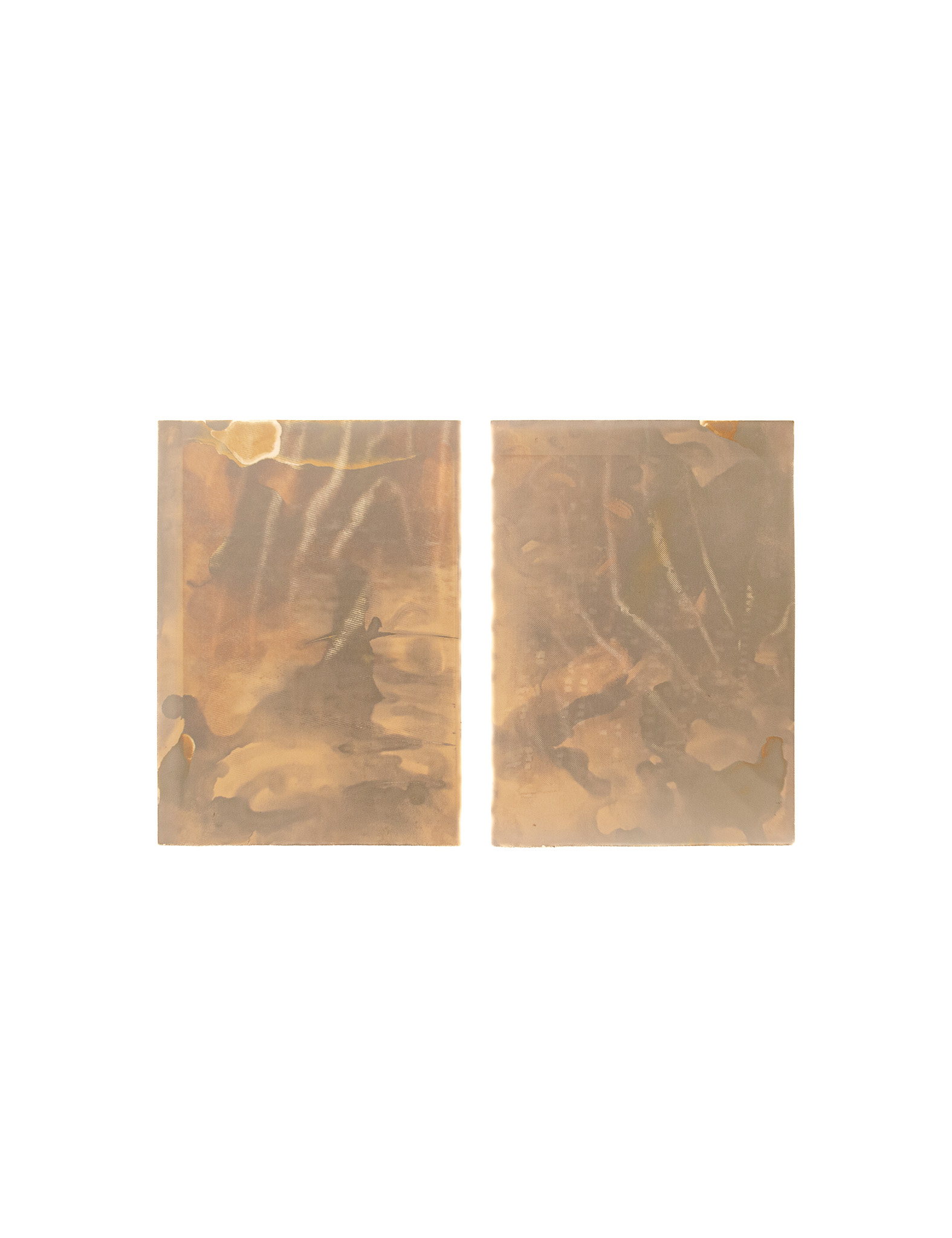
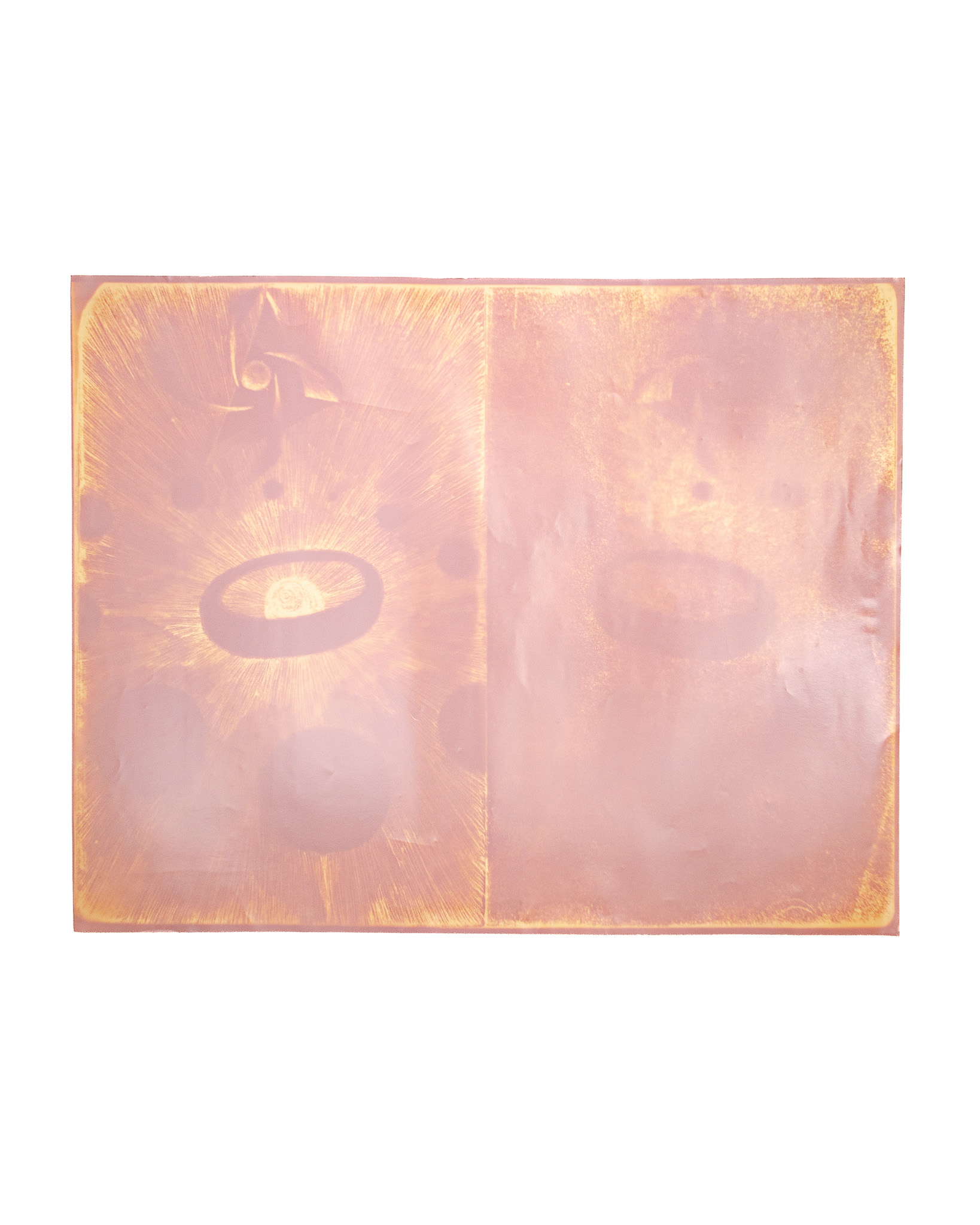
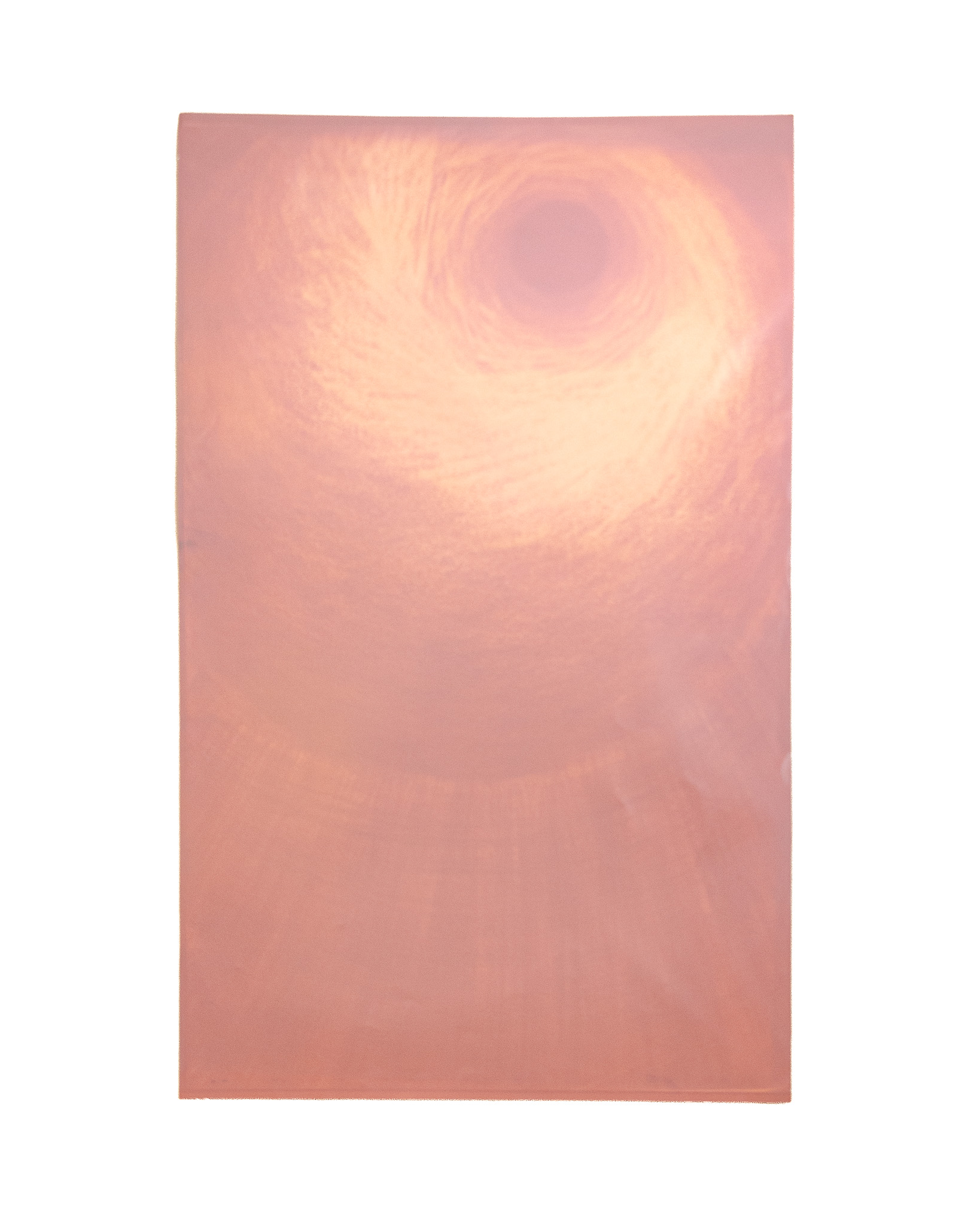
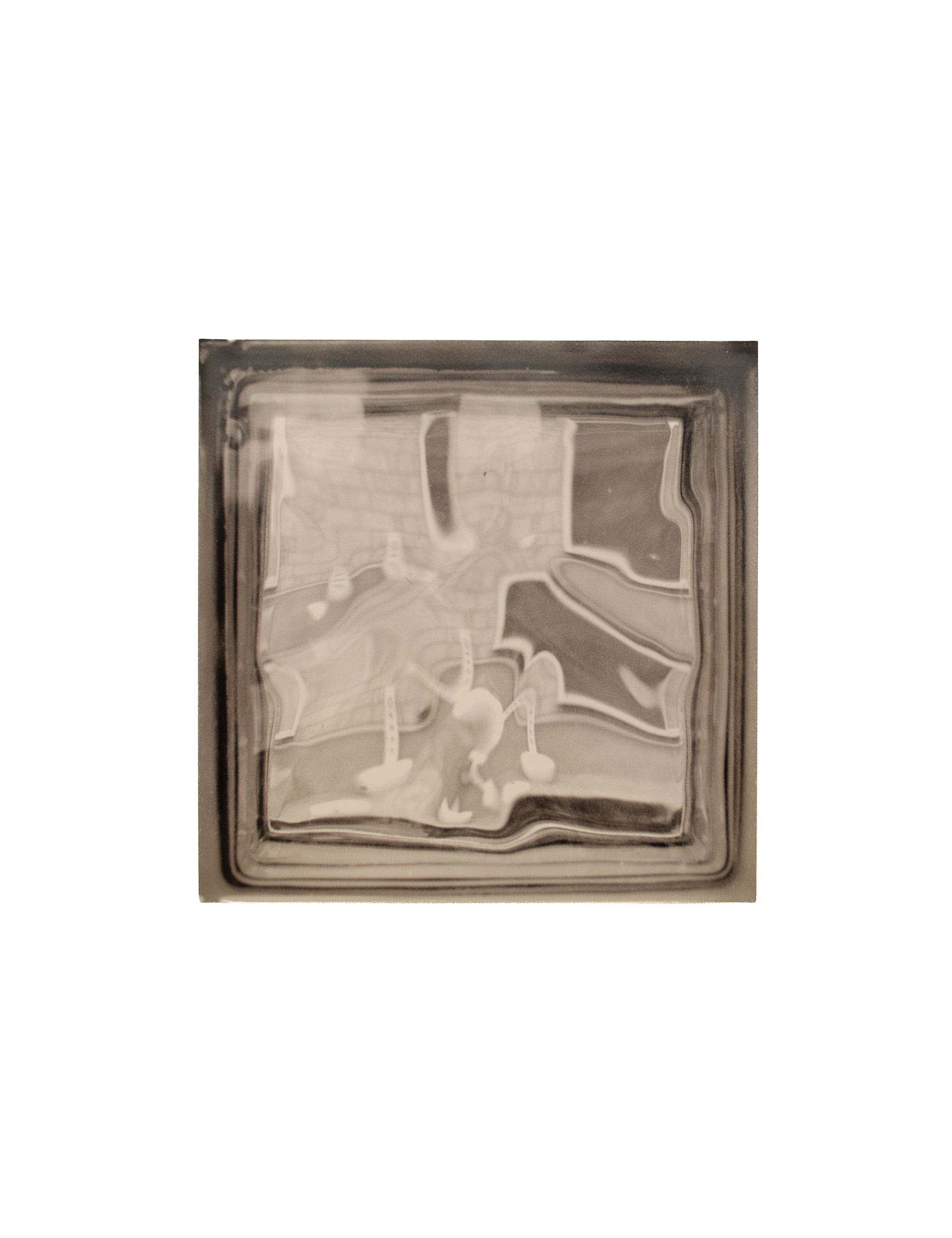
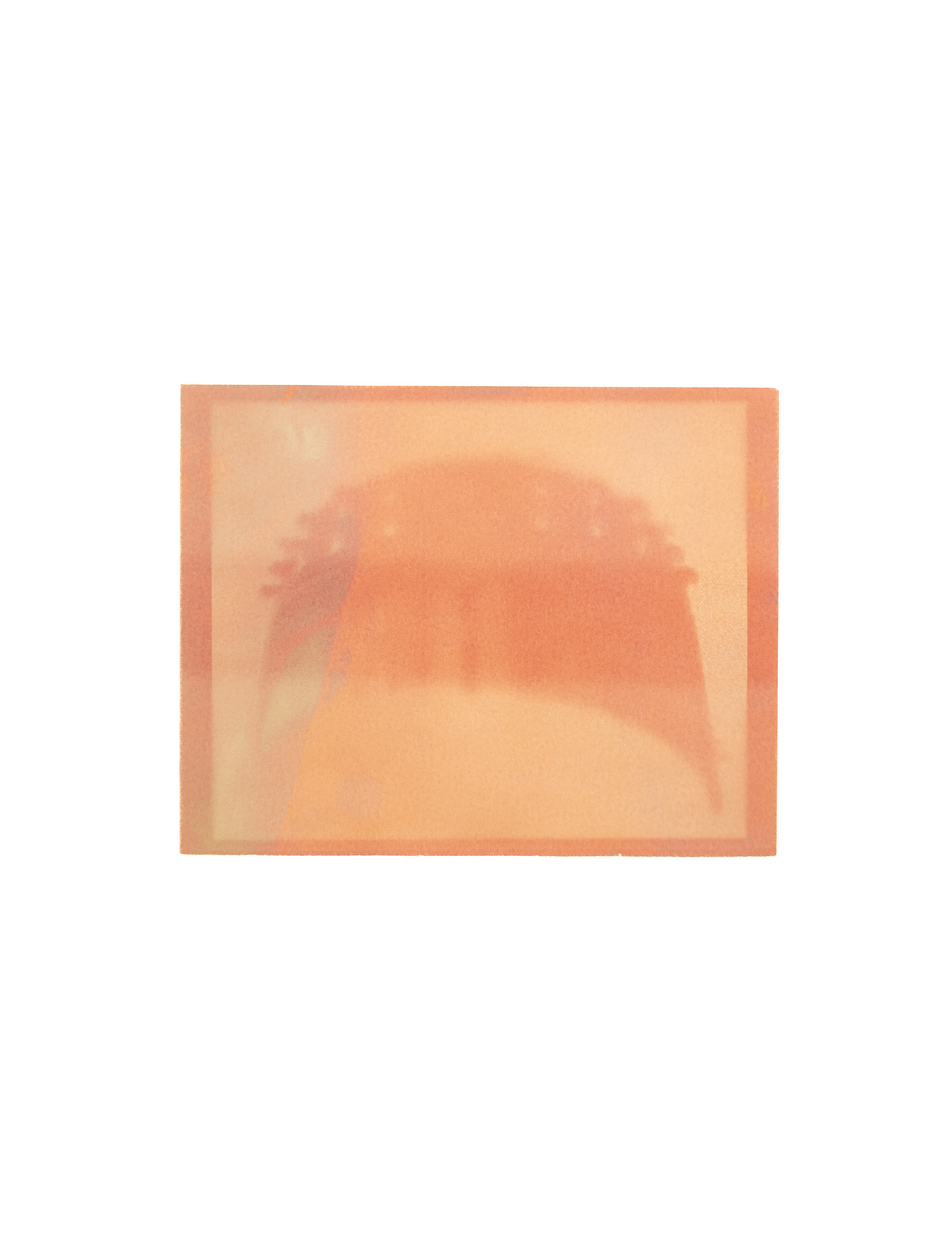
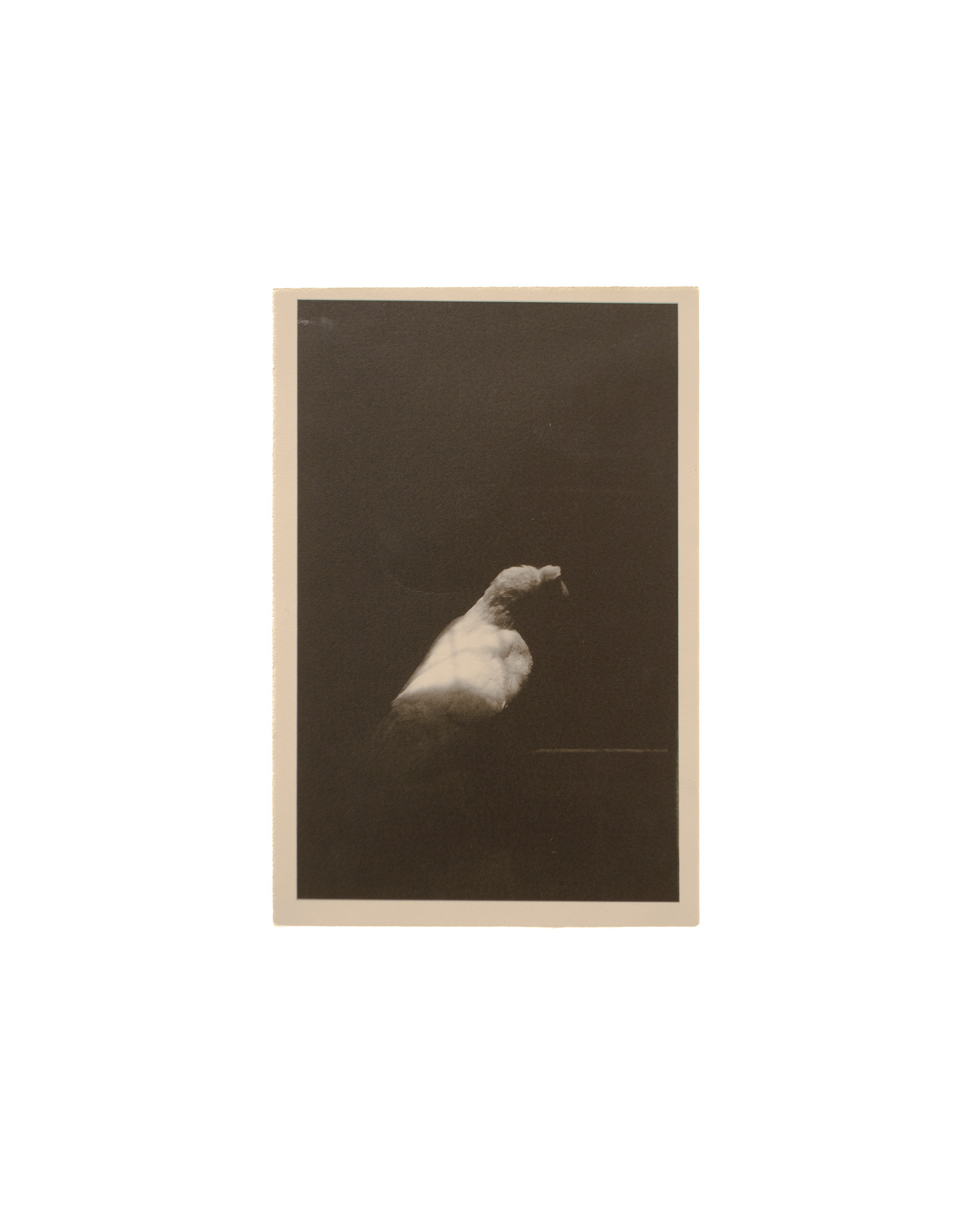
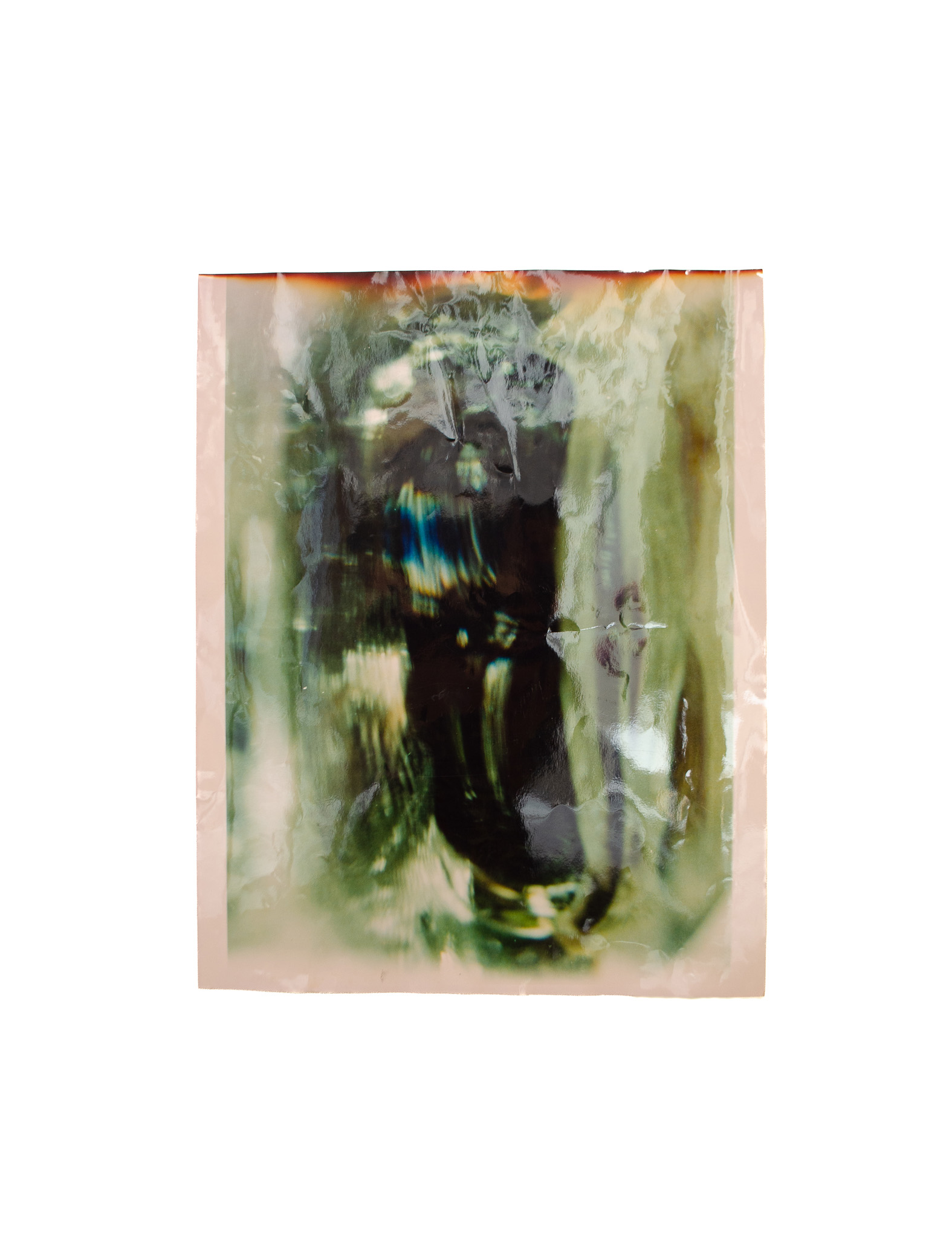
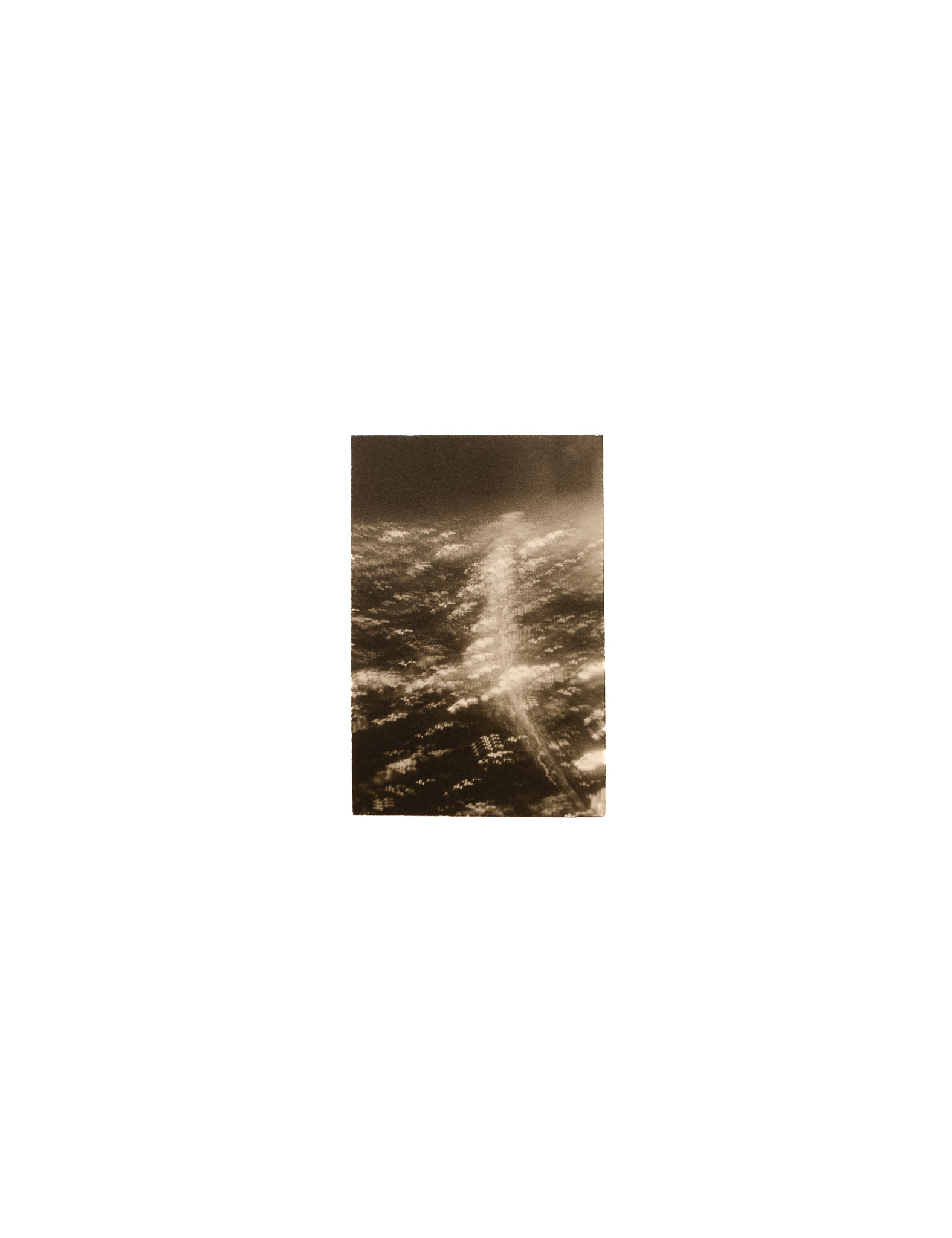
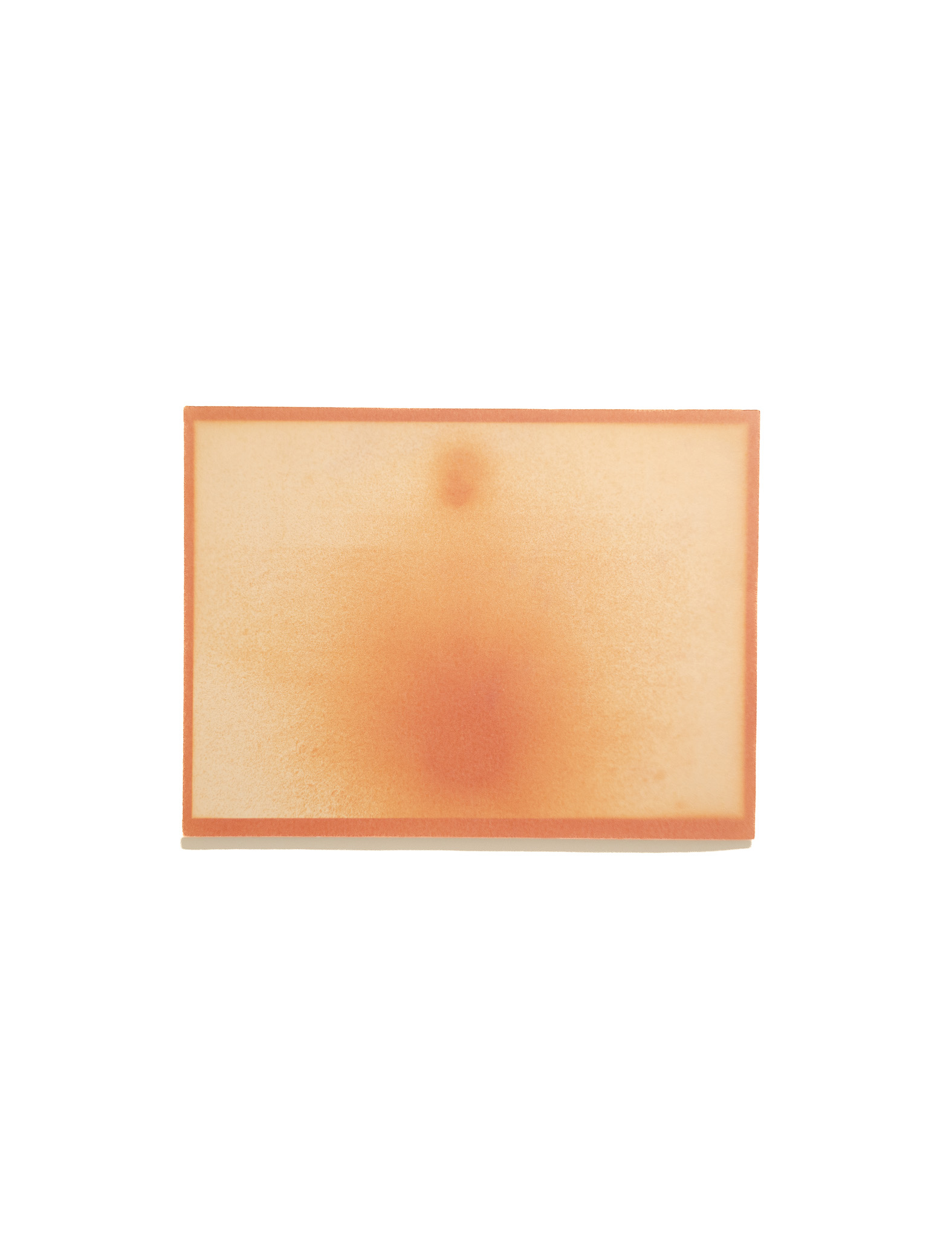
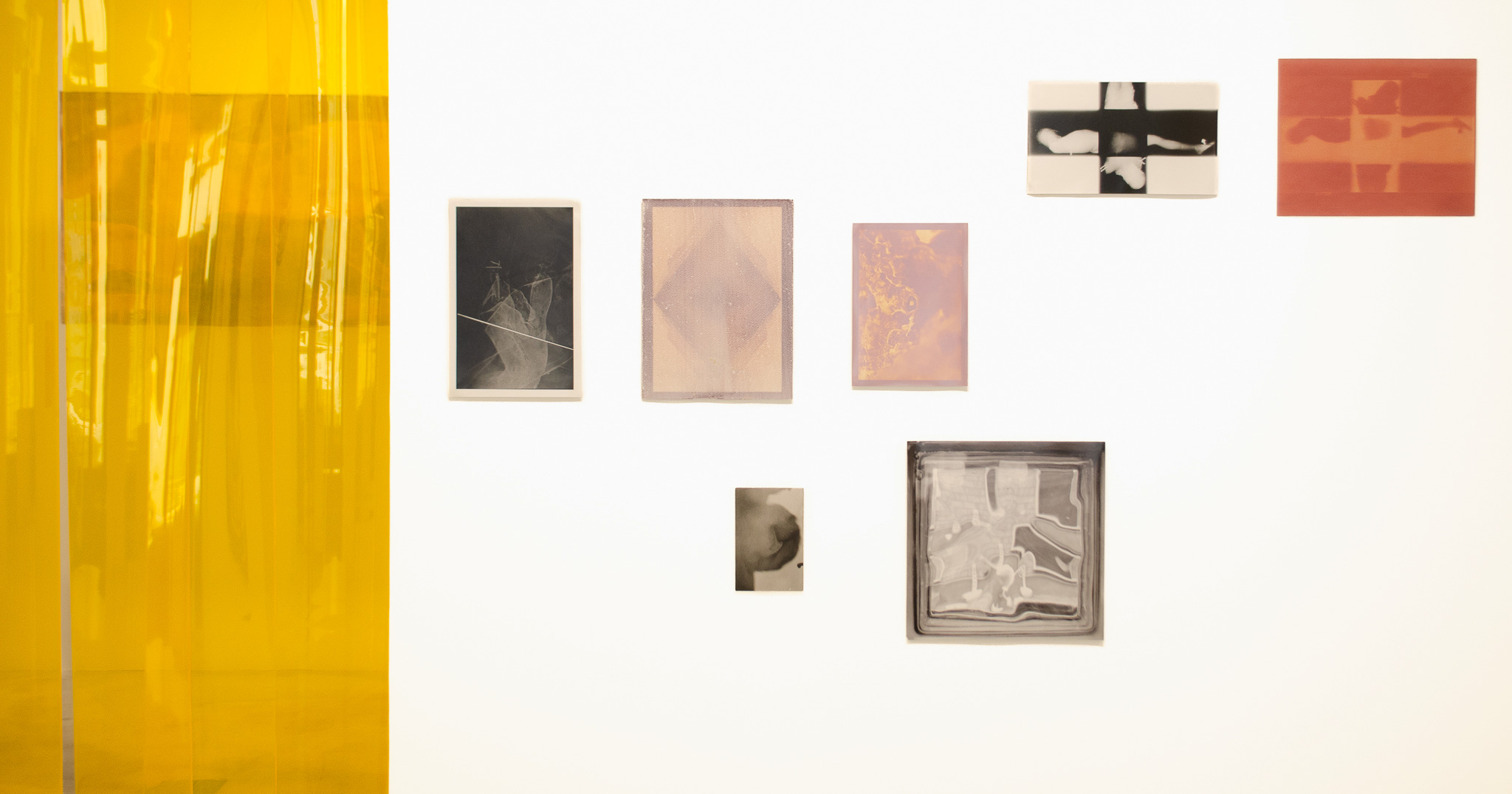
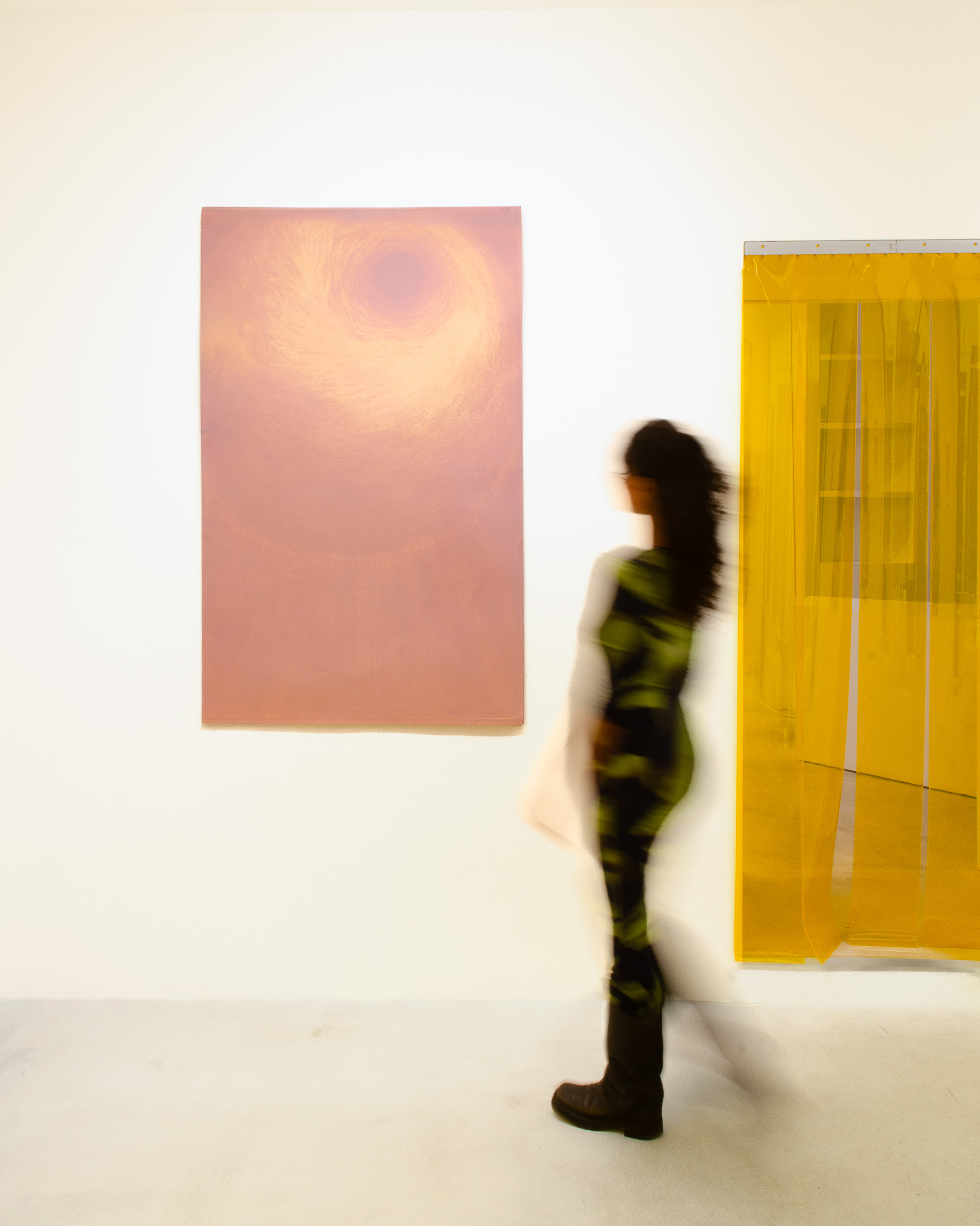
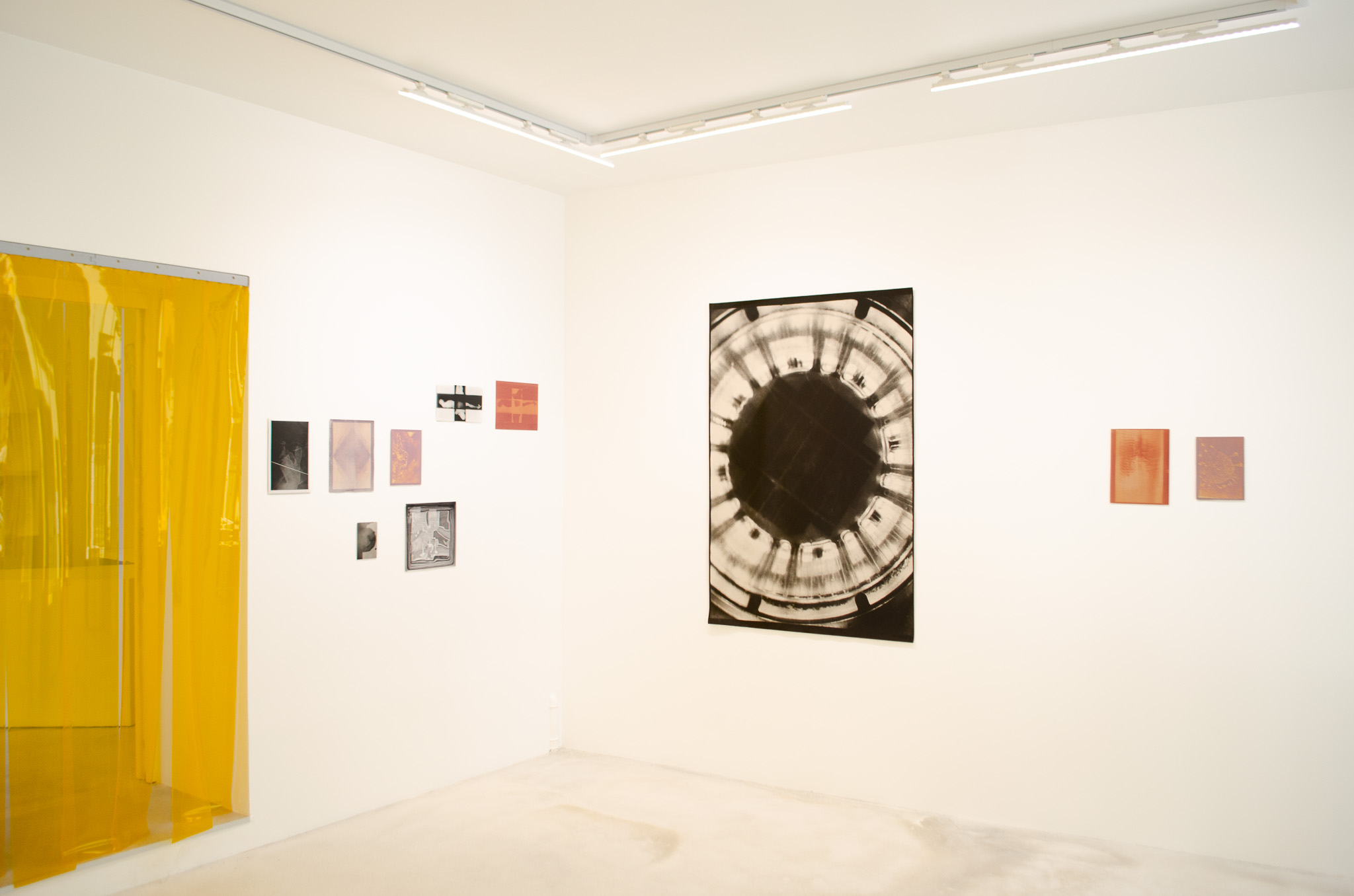
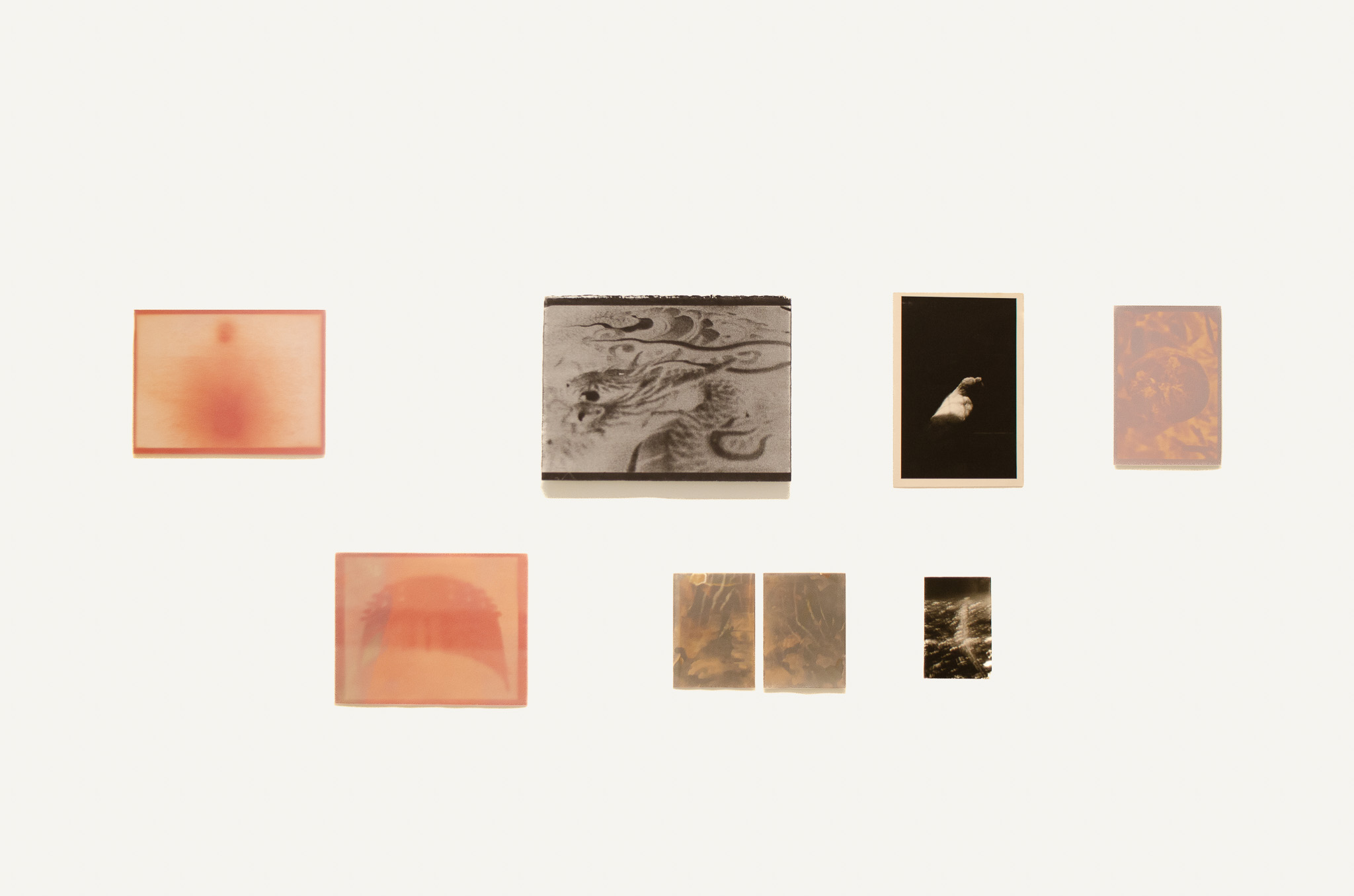
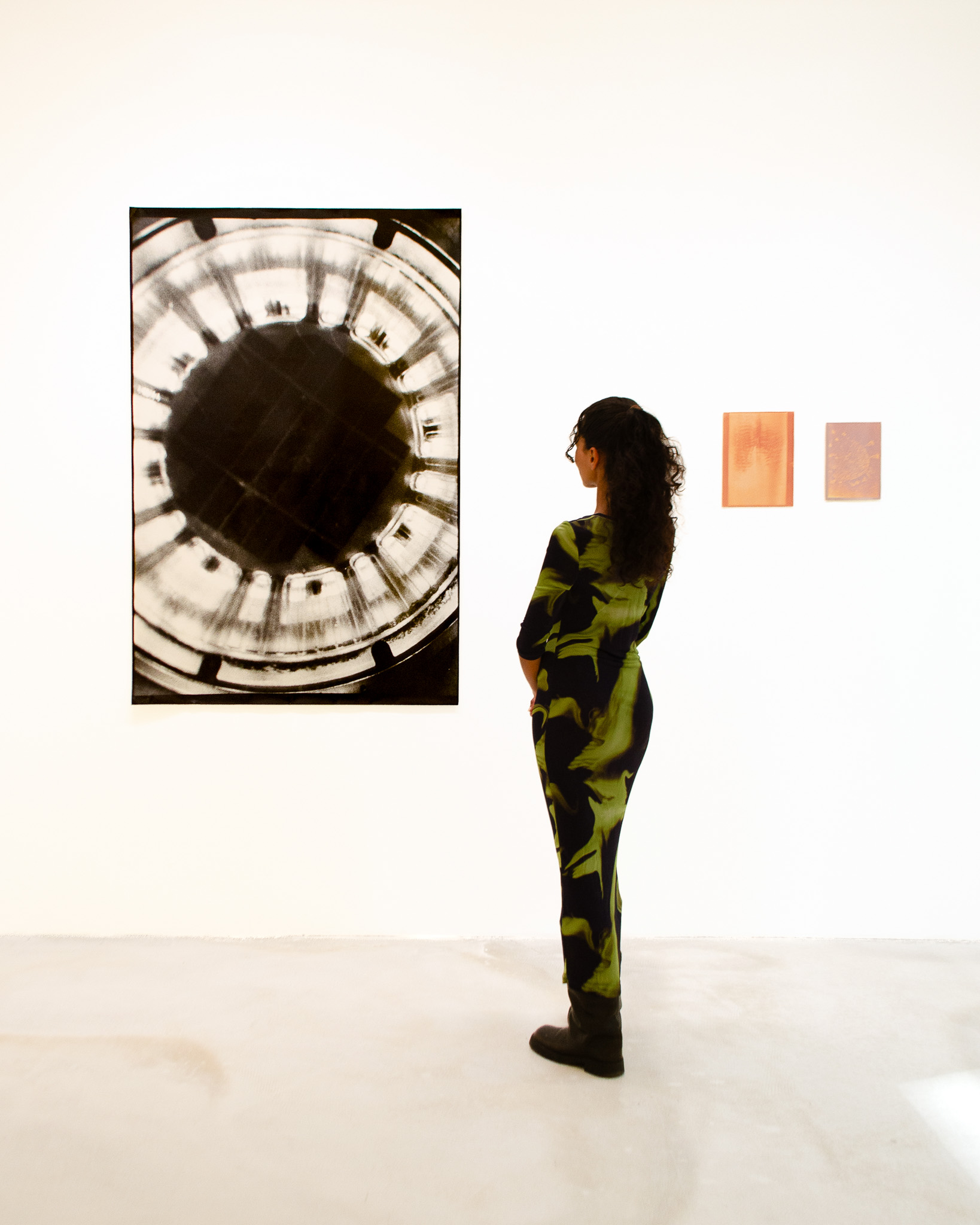
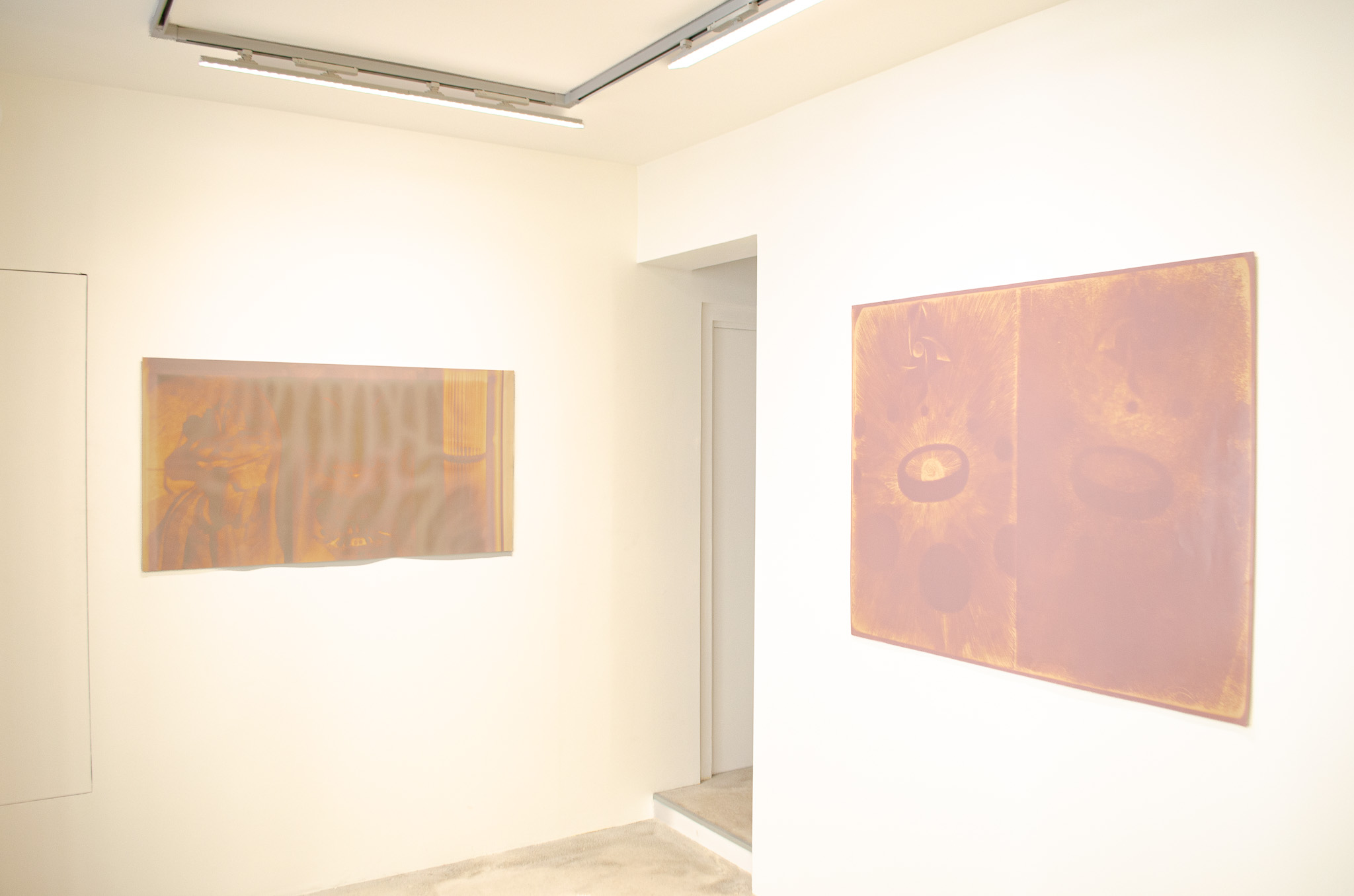
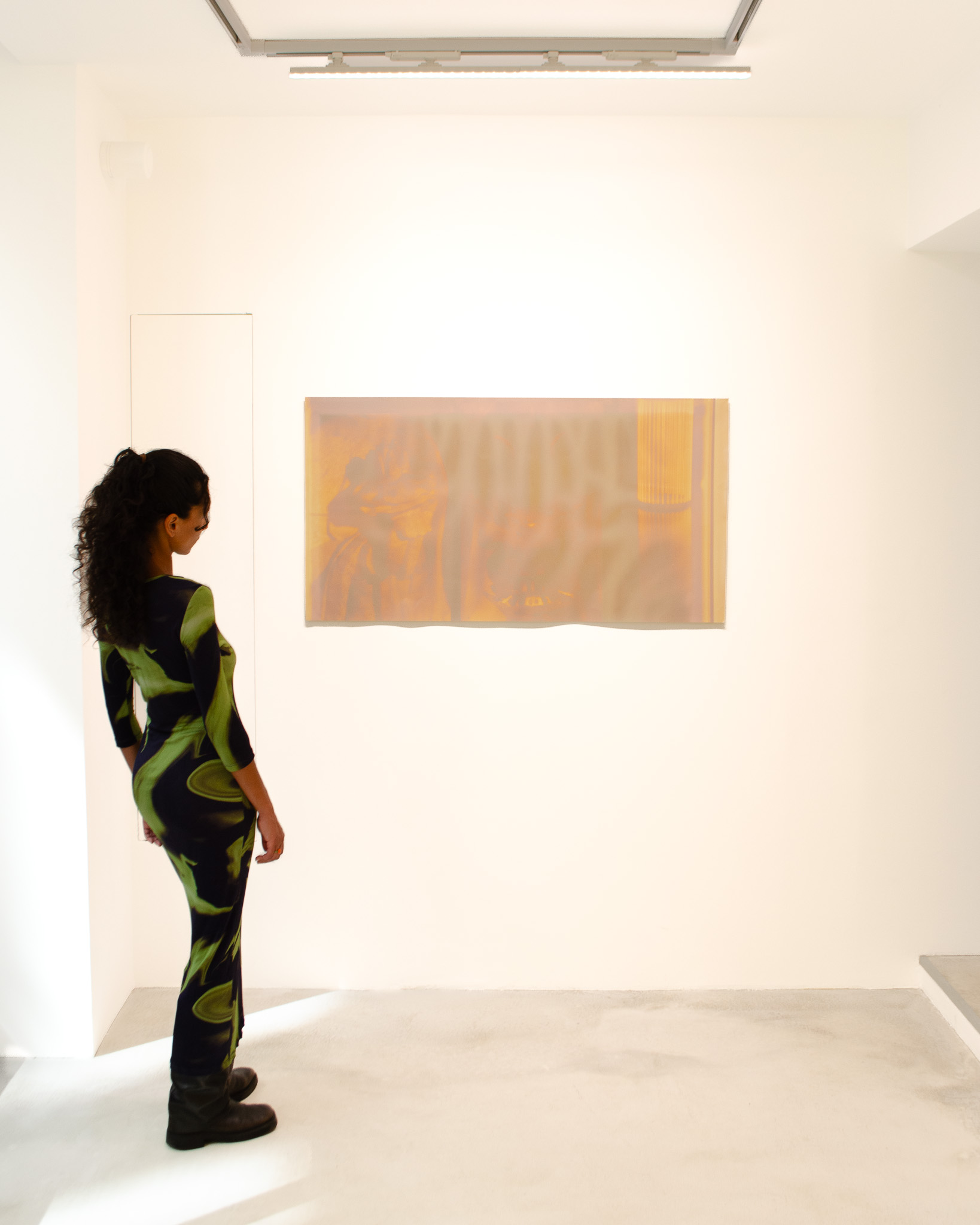
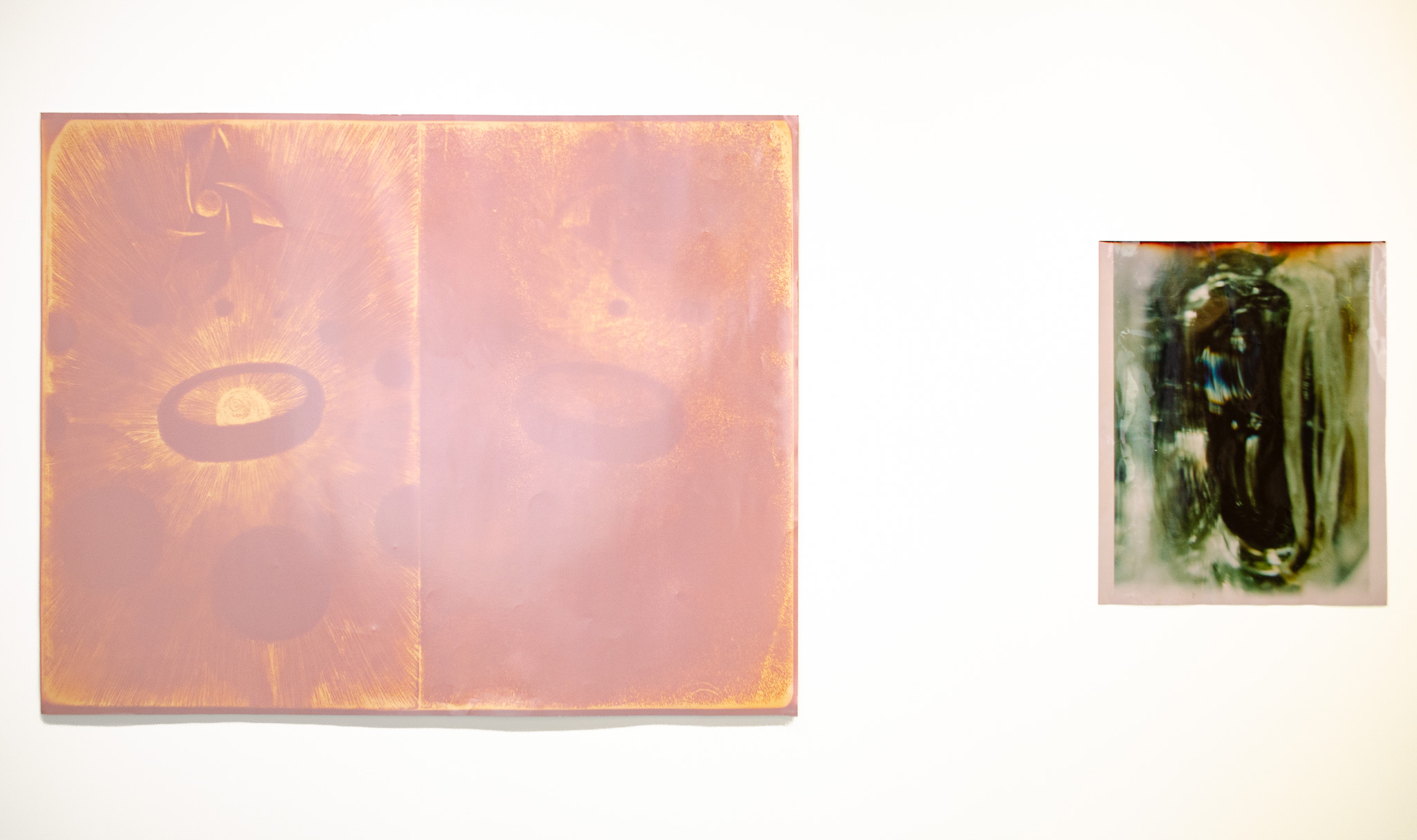
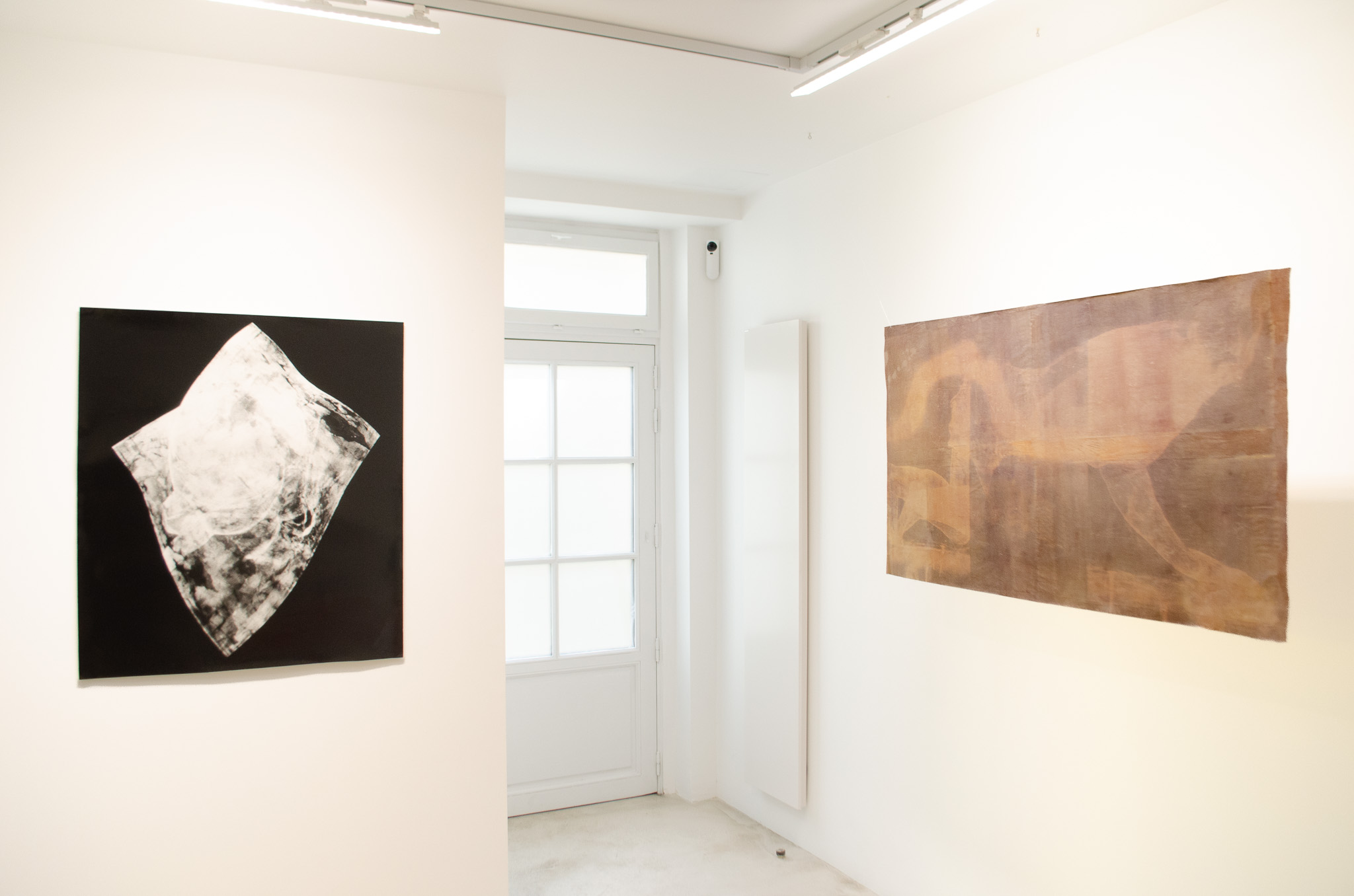
“Hypersignal” does not present images to be viewed so much as phenomena to be deciphered. Radiography, infrared photography, photosensitive emulsions, silver gelatin printing, and lumen prints form a constellation of protocols in which each technique functions as an interpretive filter. In Mendy’s work, the image is never given; it is produced through a chain of physical, chemical, and luminous operations. Lumen prints occupy a particular place within the exhibition. Produced without a camera or negative, they involve exposing photosensitive paper directly to natural light, with objects or surfaces placed upon it. Time, humidity, solar intensity, and oxidation together choreograph the emergence of the image. Halos appear, coloured burns spread, areas become veiled or saturated. The image develops despite itself, more as an organic reaction than a controlled composition. Several works presented in the exhibition draw upon radiographic archives (MRI and CT scans) of artworks and sculptures, produced in collaboration with the Centre de Recherche et de Restauration des Musées de France (C2RMF).
Mendy’s practice extends, in a sensitive manner, certain intuitions articulated by Susan Sontag regarding photography. For Sontag, every image is already an interpretation of the world, a framing that transforms reality into something legible, consumable, and memorable. In Mendy’s work, this mechanism of transformation itself becomes visible. The works reveal less their subjects than the operations that condition their appearance. The image ceases to function as a transparent surface; instead, it exposes its own regime of production, its losses, saturations, and blind spots. This reflection also unfolds through a broader interrogation of the collective imagination. Mendy works with forms that seem already embedded within our visual memory: halos reminiscent of religious aureoles, traversed bodies recalling medical radiographs, luminous imprints evoking shrouds or relics. Yet these figures never appear as direct quotations. They circulate instead as residues, as technical and emotional survivals, suggesting that contemporary imaginaries continue to generate forms of the sacred through scientific apparatuses themselves. Rather than nostalgically reactivating such images, the artist questions their persistence. How do certain forms continue to structure our gaze? What do we project into these luminous zones, these spectres, these blurred apparitions?Through both technical and poetic protocols, Winca Mendy challenges our desire for immediate recognition. Seeing no longer consists in identifying a stable image, but in interpreting that which persists. The exhibition display extends this sensation. Pinned prints, surfaces exposed through cut-out apertures, fragile dispositifs: the works appear less installed than momentarily stabilised. They continue, silently, to react to their environment, as though the exhibition itself remained photosensitive.
Salomé Moindjie-Gallet