Rémi Galtier
“Use is what ends up erasing things” George Perrec, Penser/Classer
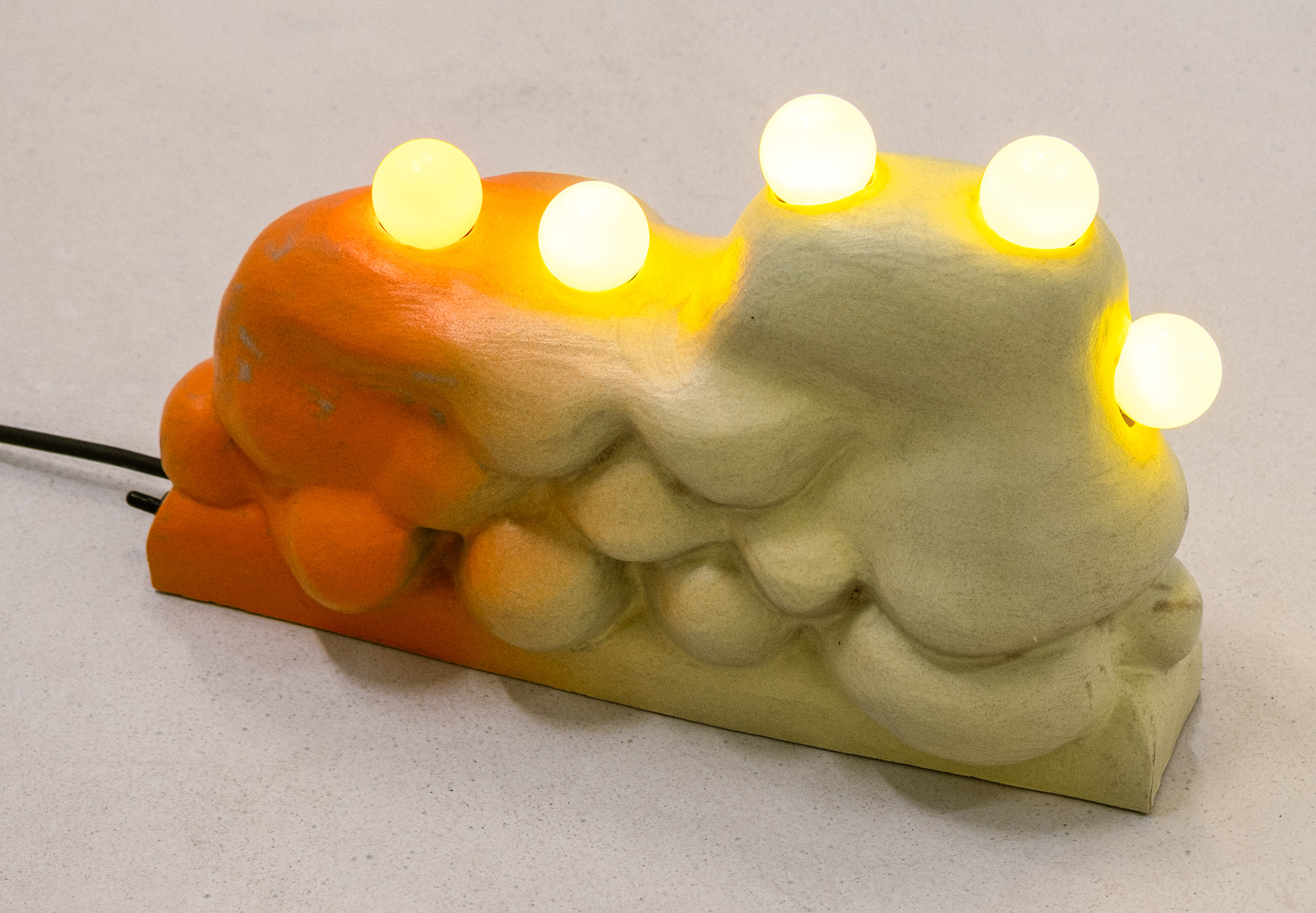
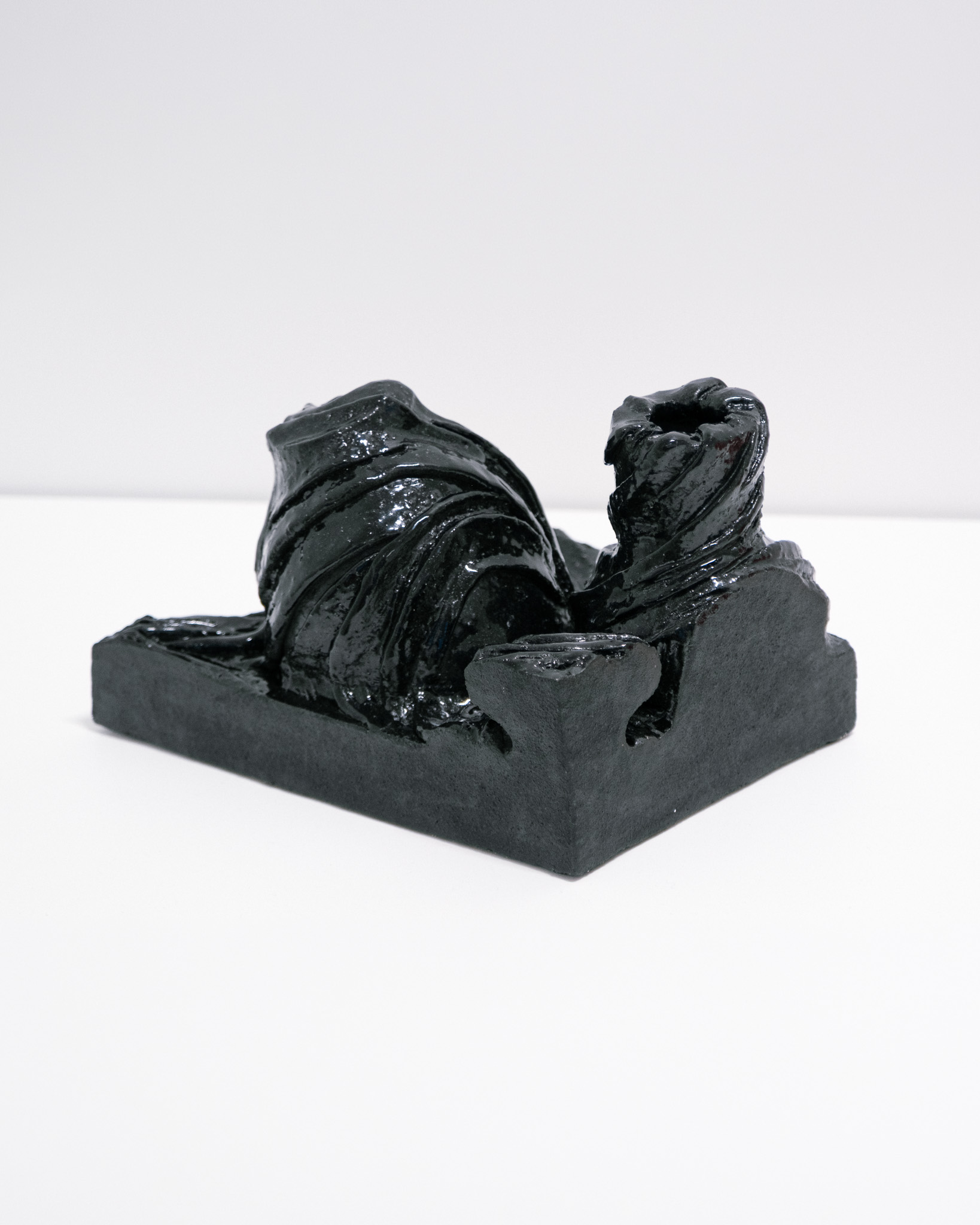
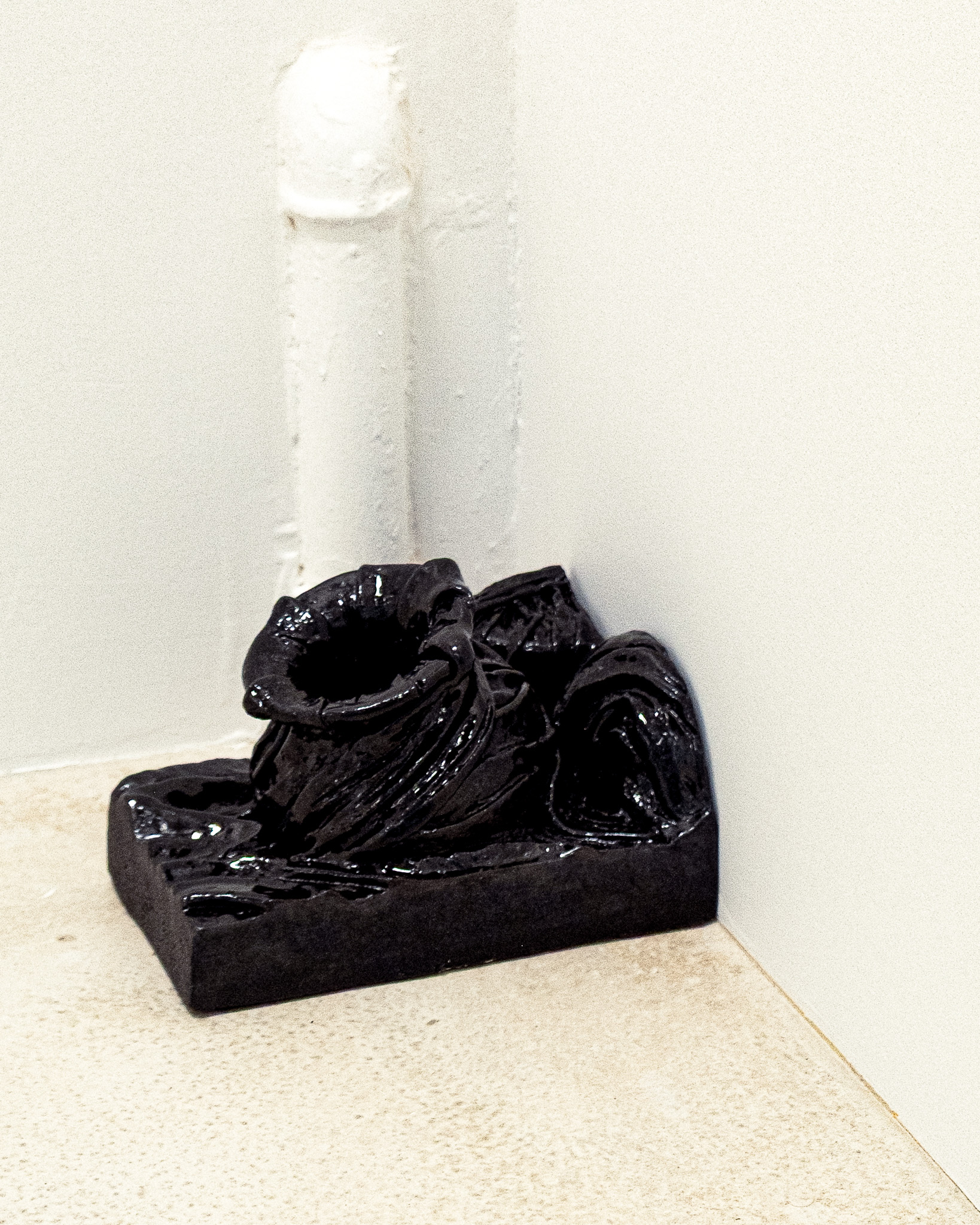
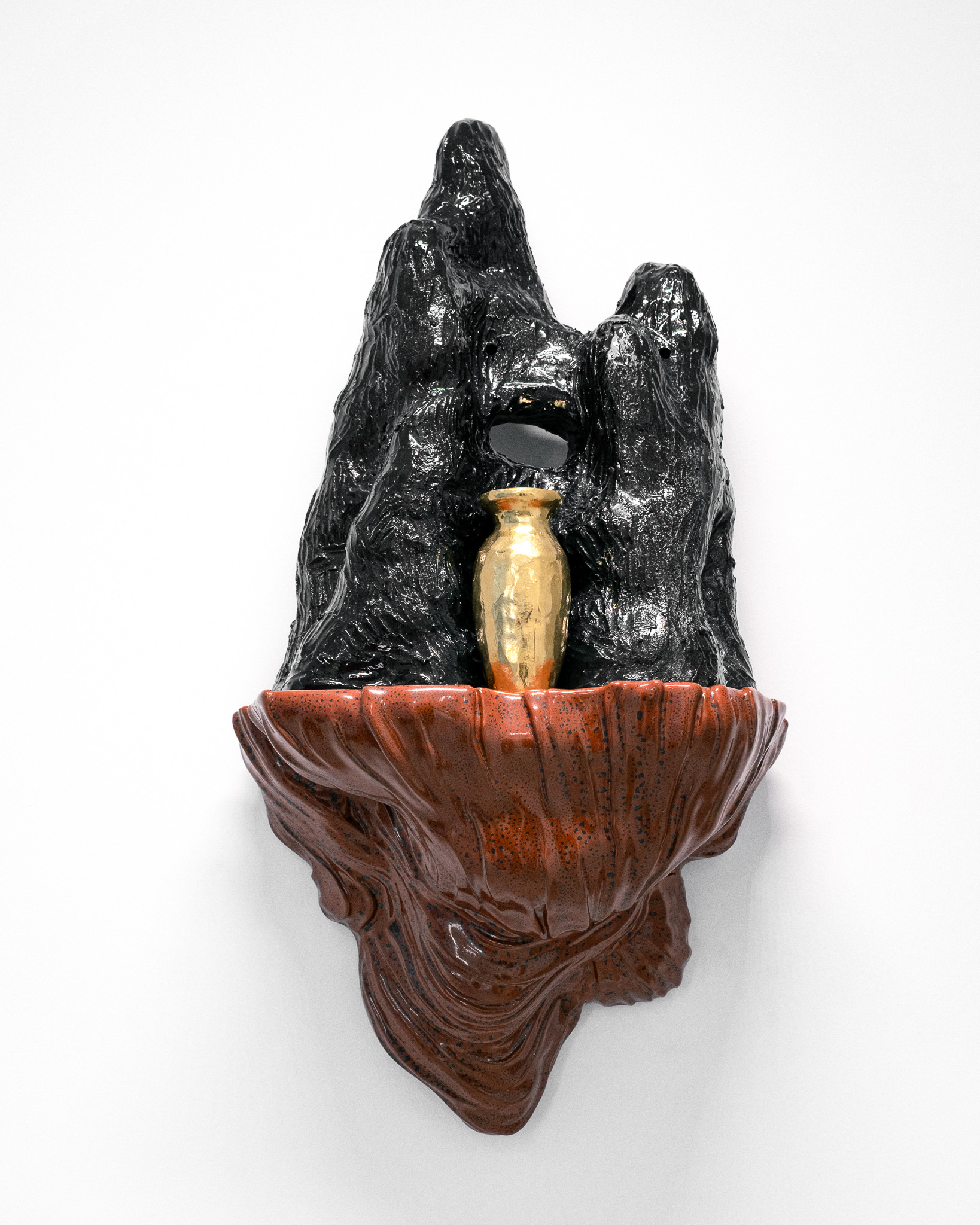
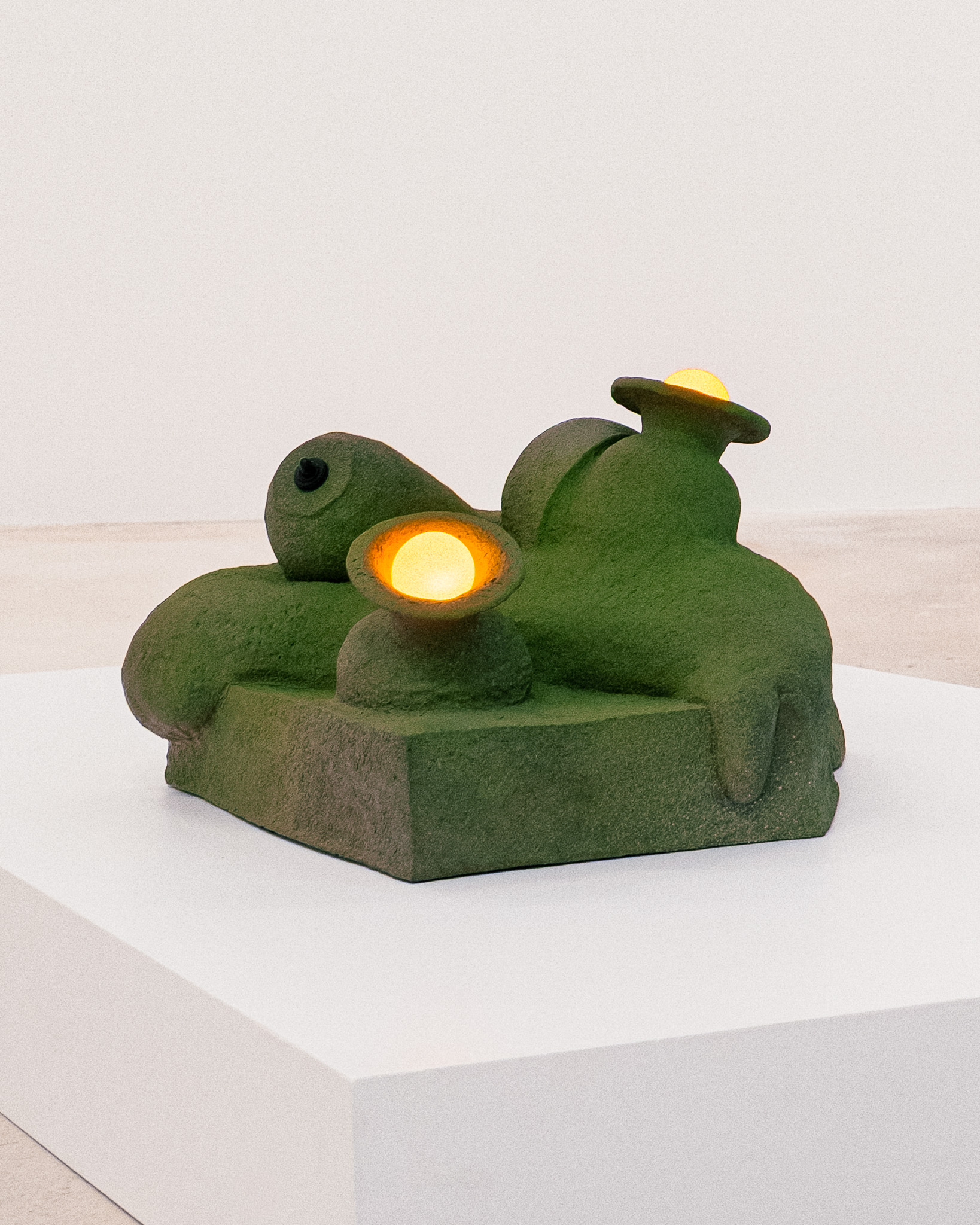
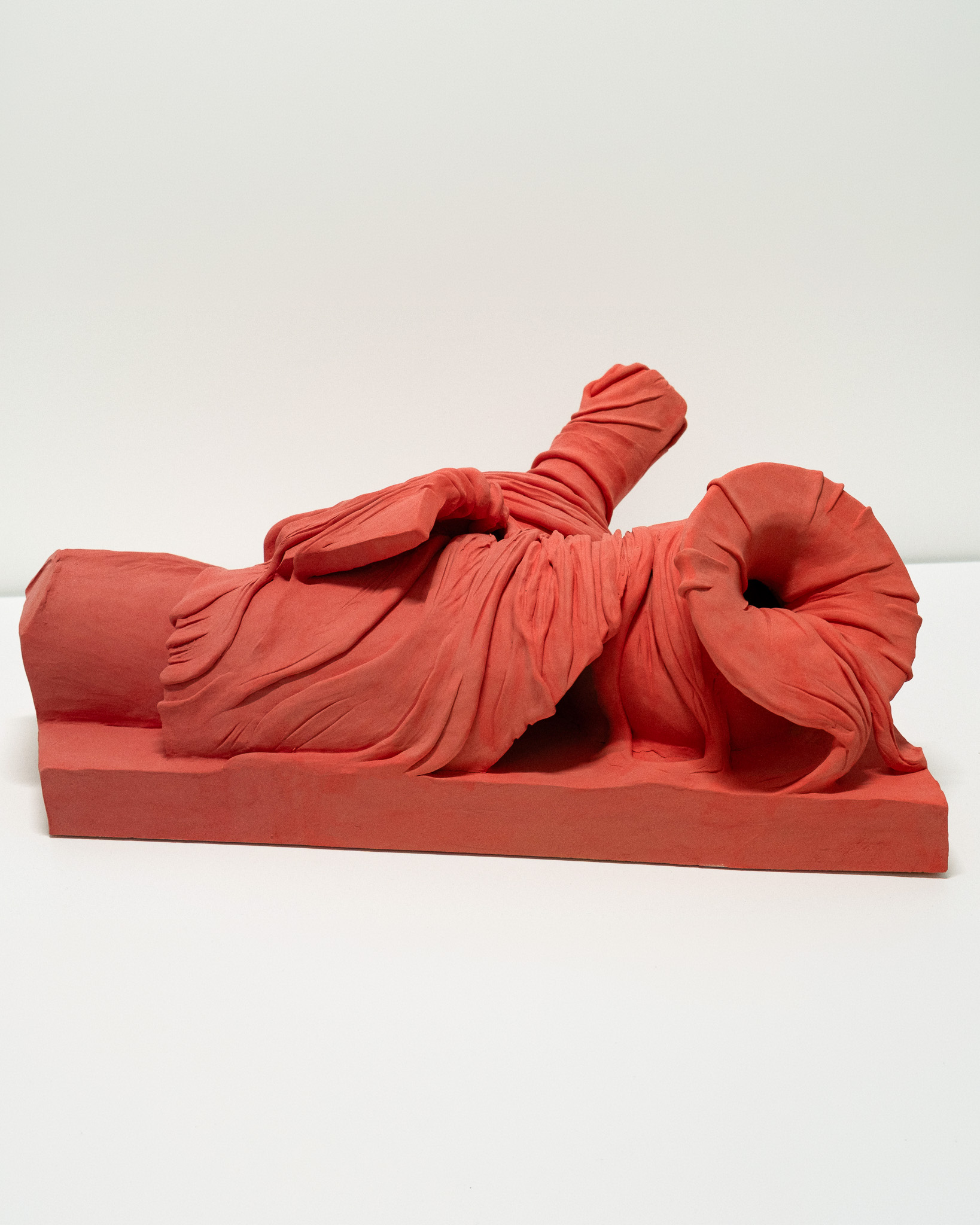
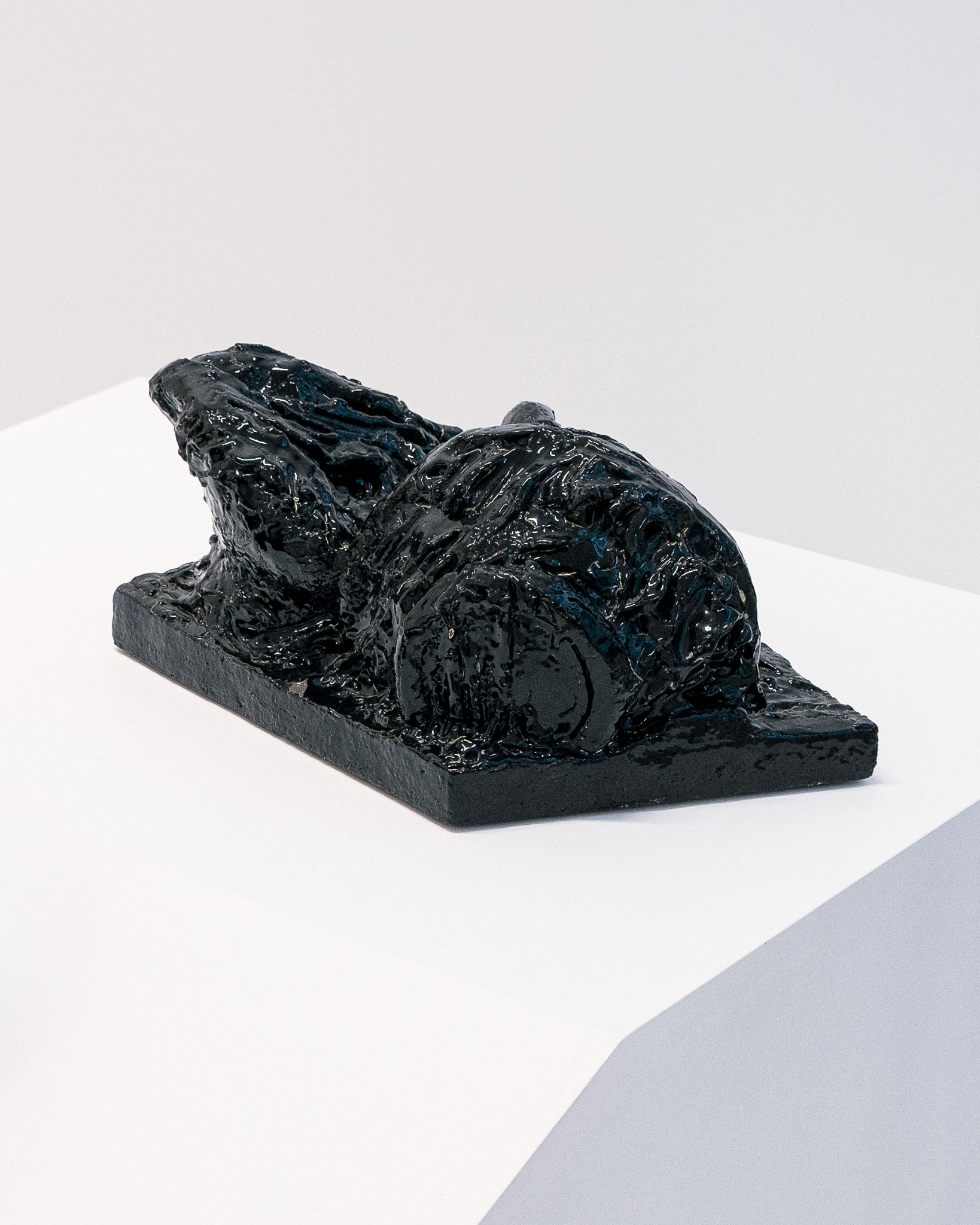
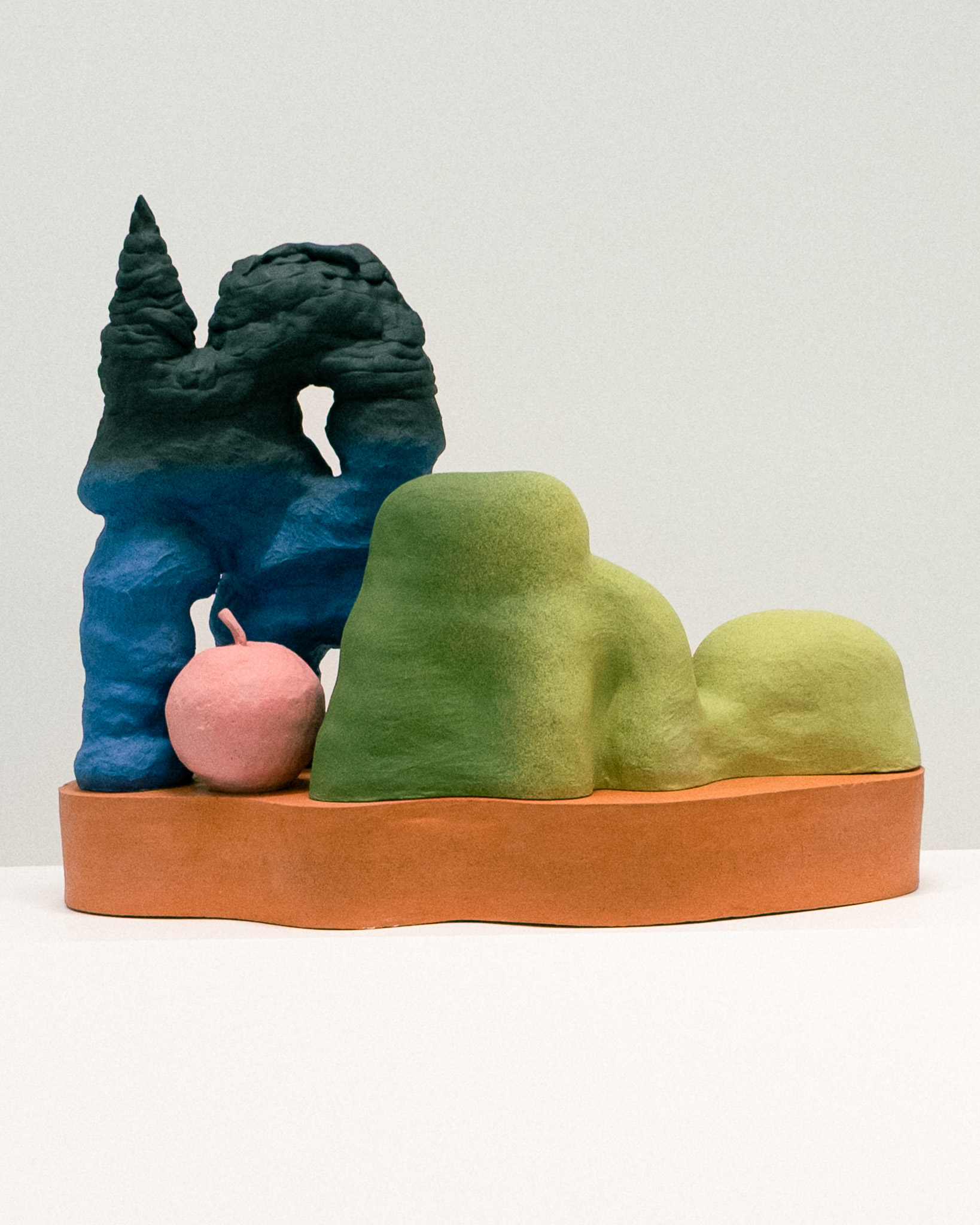
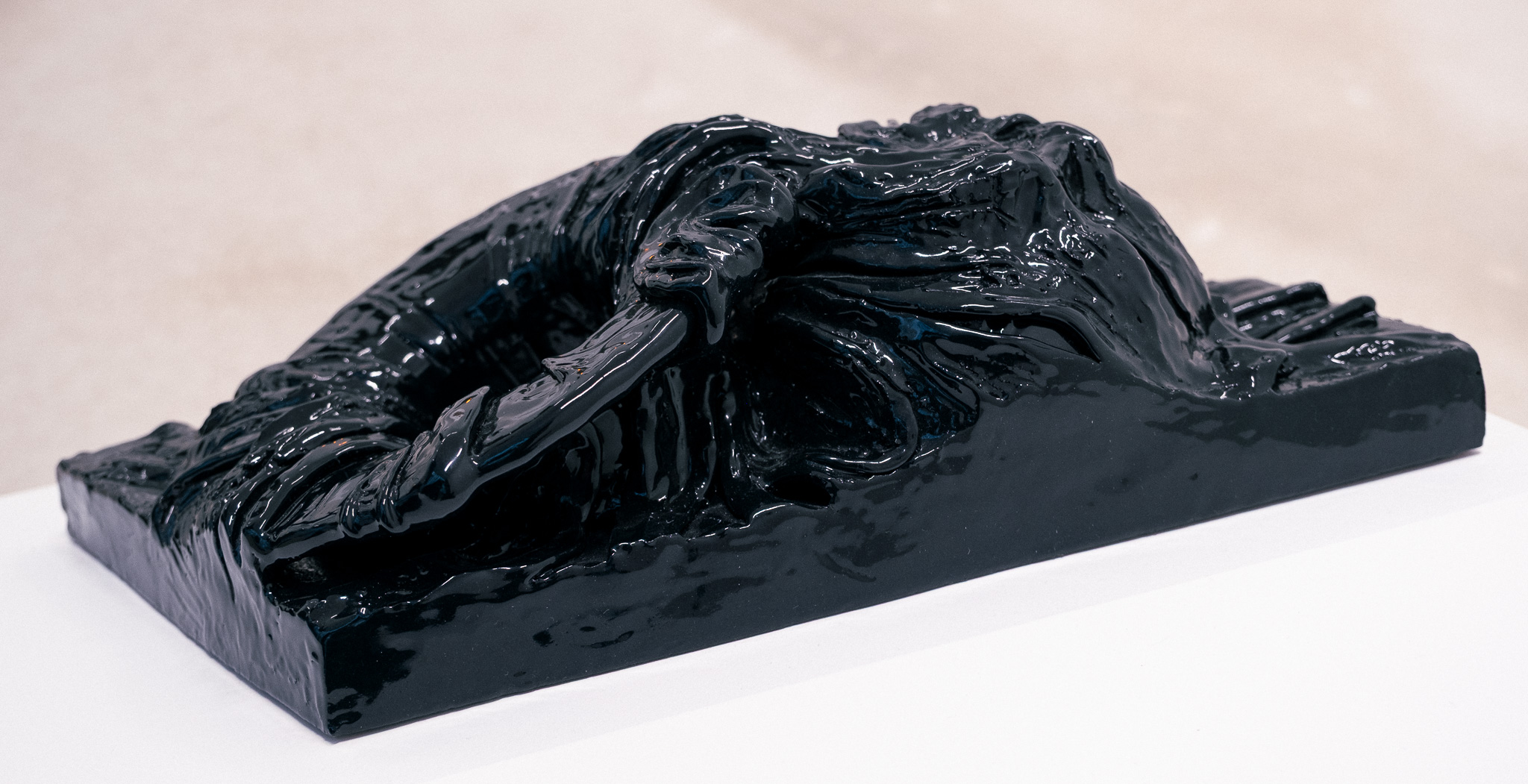
This sentence could serve as a threshold for Rémi Galtier's work: a place where function dissolves to let form emerge as survival, as an appearance without destination. Trained in design, to fashion and interior architecture, Galtier diverts domestic typologies to better suspend the obvious. Vases, containers or architectural fragments appear as archetypes held at the edge of their own use. The object is summoned to be immediately prevented: any functional appropriation is neutralized. Use, put at a distance, ceases to organize the form; it becomes its decal. In the slowness of the Colombian, according to a physical and temporal relationship to the gesture, the pieces are constructed like accumulations of decisions and accidents. They do not come from drawing but from mental images: surges from the unconscious, formal fantasies that take shape without graphic prerequisites. The volumes thus emerge from tactile, almost somnambulistic thinking, where the hand precedes the intention. Making forms evolve here is like letting buried strata rise up: memories of objects, diffuse fears, indistinct impulses. The holes are blocked and suffocated; the traffic is condemned. Ovoid volumes, pilings close to stalagmites press against each other, communicate in places, to the point of suggesting internal tension, impeded breathing. The hole, an insistent pattern, is never a simple opening: it is a point of condensation of the eye, place of attraction and repulsion, threshold where matter seems to hesitate between overflow and retention. This economy of the full and the obstructed evokes, in essence, an erotic dimension in the sense given to it by Georges Bataille: not the representation of desire but the crisis of limits, the circulation of imaginary fluids, the circulation of imaginary fluids, the disorder between interior and exterior. Domestic forms thus become closer to the body than they would appear to be. They evoke envelopes, organs, impossible containers where fantasies and fears are replayed. Eroticism is a matter of overflow: a contained energy, ready to exceed its own contours. From fragmented and then reassembled elements, oscillating between industrial references, geological formations and vernacular reminders, mutant architectures emerge. Galtier disguises the material: ceramic seems in turn stone, metal, foam or resin. The order of things is being short-circuited; material hierarchies are wavering. These assemblies come together in a deliberately clumsy harmony, firmly anchored to the ground, as if each piece sought its own gravity. Some sculptures unfold like contemporary literary stones, inspired by Japanese traditions: reconfigured natural forms, placed on custom-designed bases. But here, nature is already simulacrum; the base is not a simple support but an integral part of the composition, operating a totalization. The whole becomes a miniaturized landscape where mineral fiction and mental architecture mingle. This tension between nature and artifact is echoed in a founding memory: ancient Egypt, where the dead were buried with their objects. Taken from their initial use, they became something else: signs, talismans, survivals. Rémi Galtier's sculptures are the result of a similar gesture. They seem to come from a world where functions have been abandoned, where forms persist as active remains, burdened with a displaced life. Halfway between object and landscape, between relic and organism, these sculptures stand like unidentified objects. Roborative and joyful, they affirm an ambiguous presence: that of a constrained material which, in its own closure, nevertheless allows irreducible vitality to emerge.
Salomé Moindjie-Gallet