où se produit l'art ?
September
17
October
24
2026
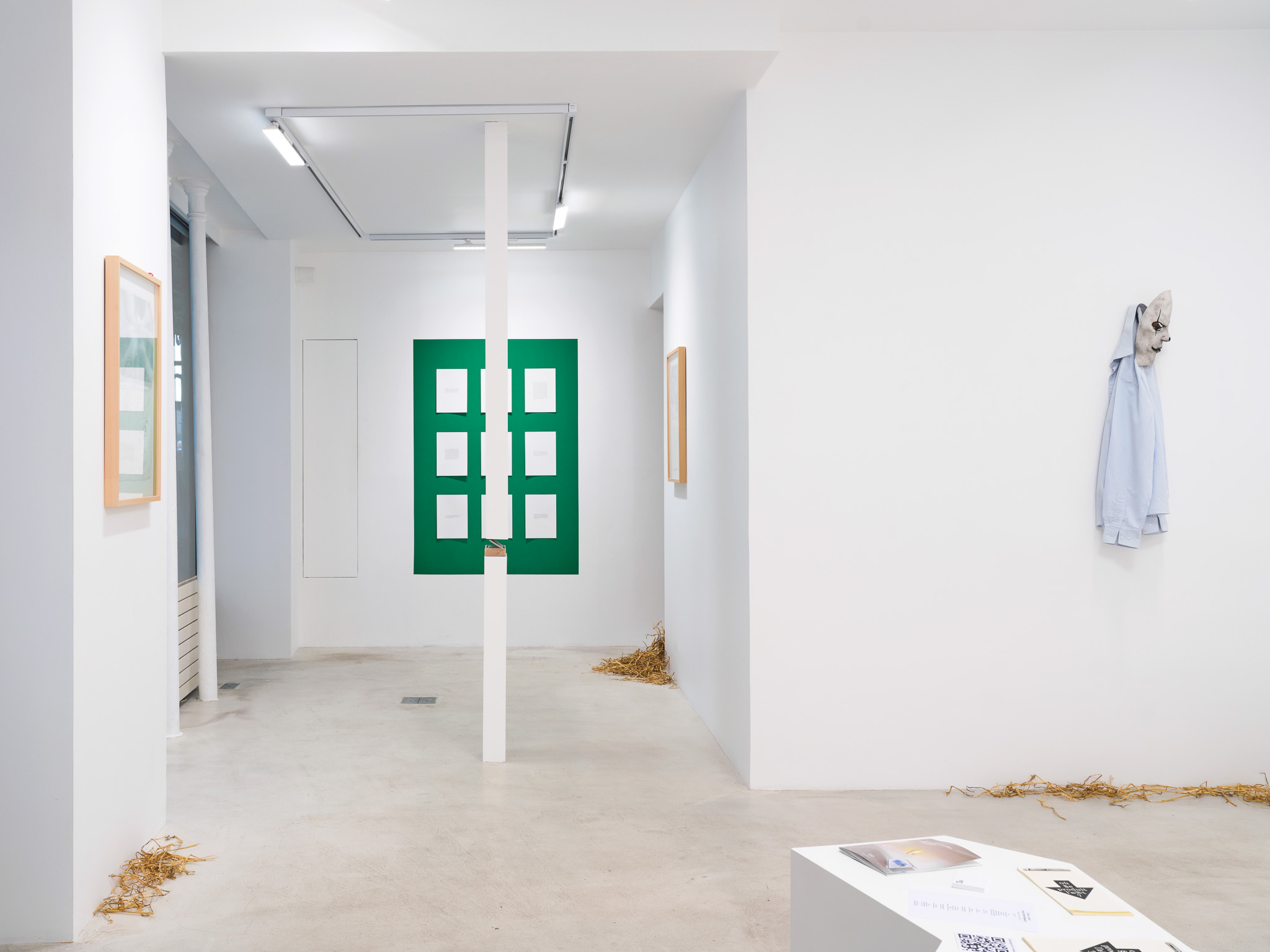
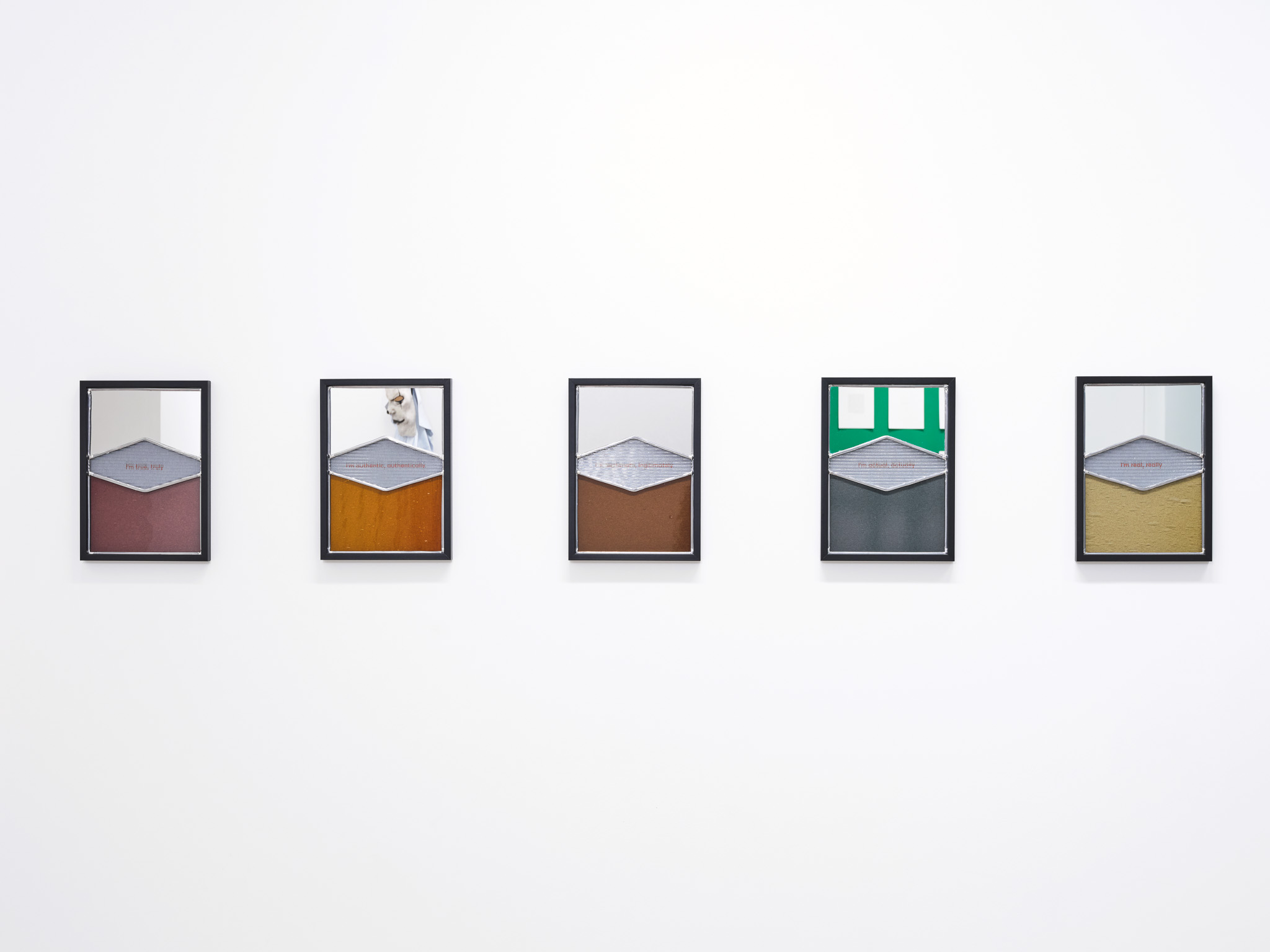
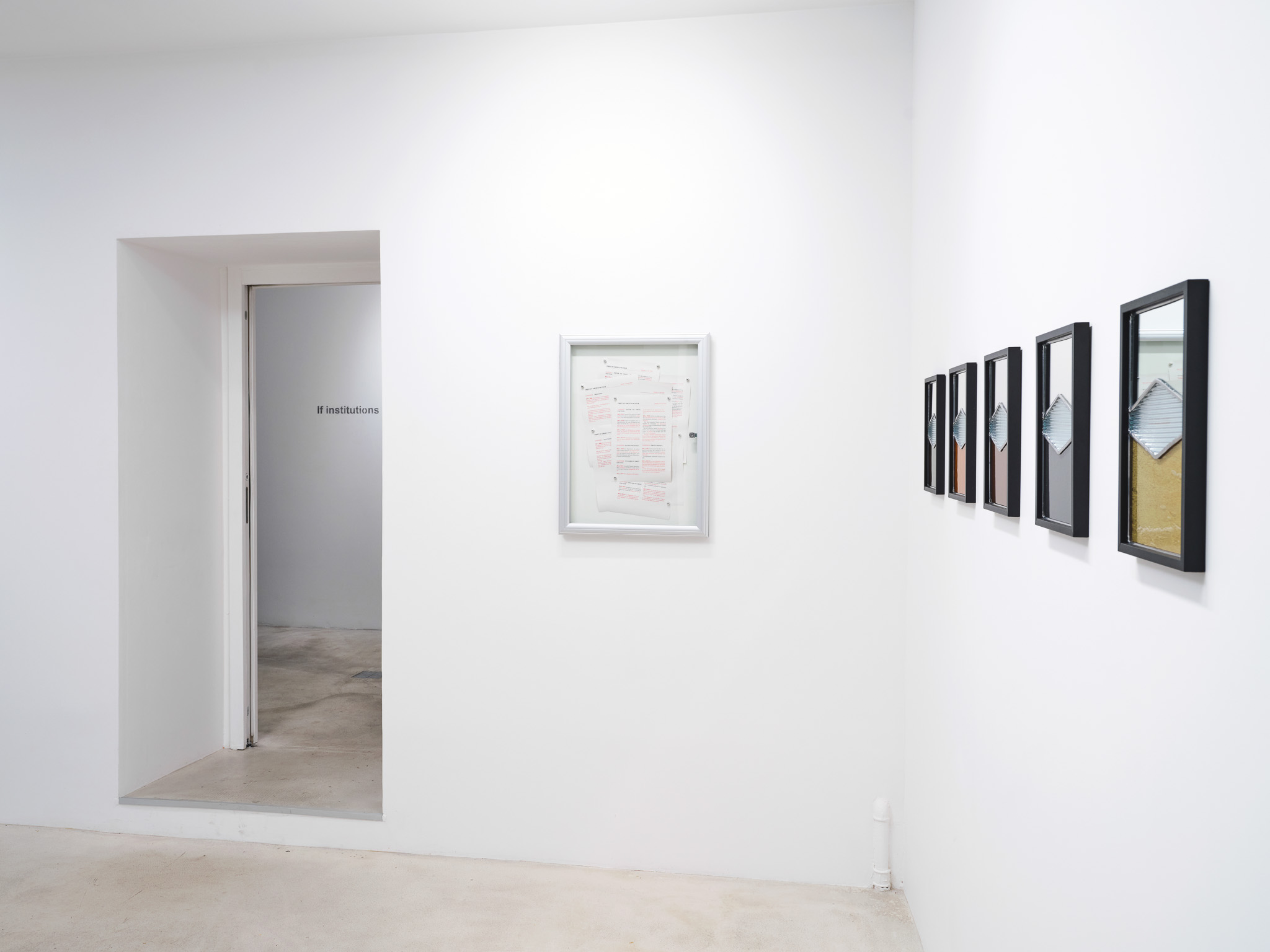

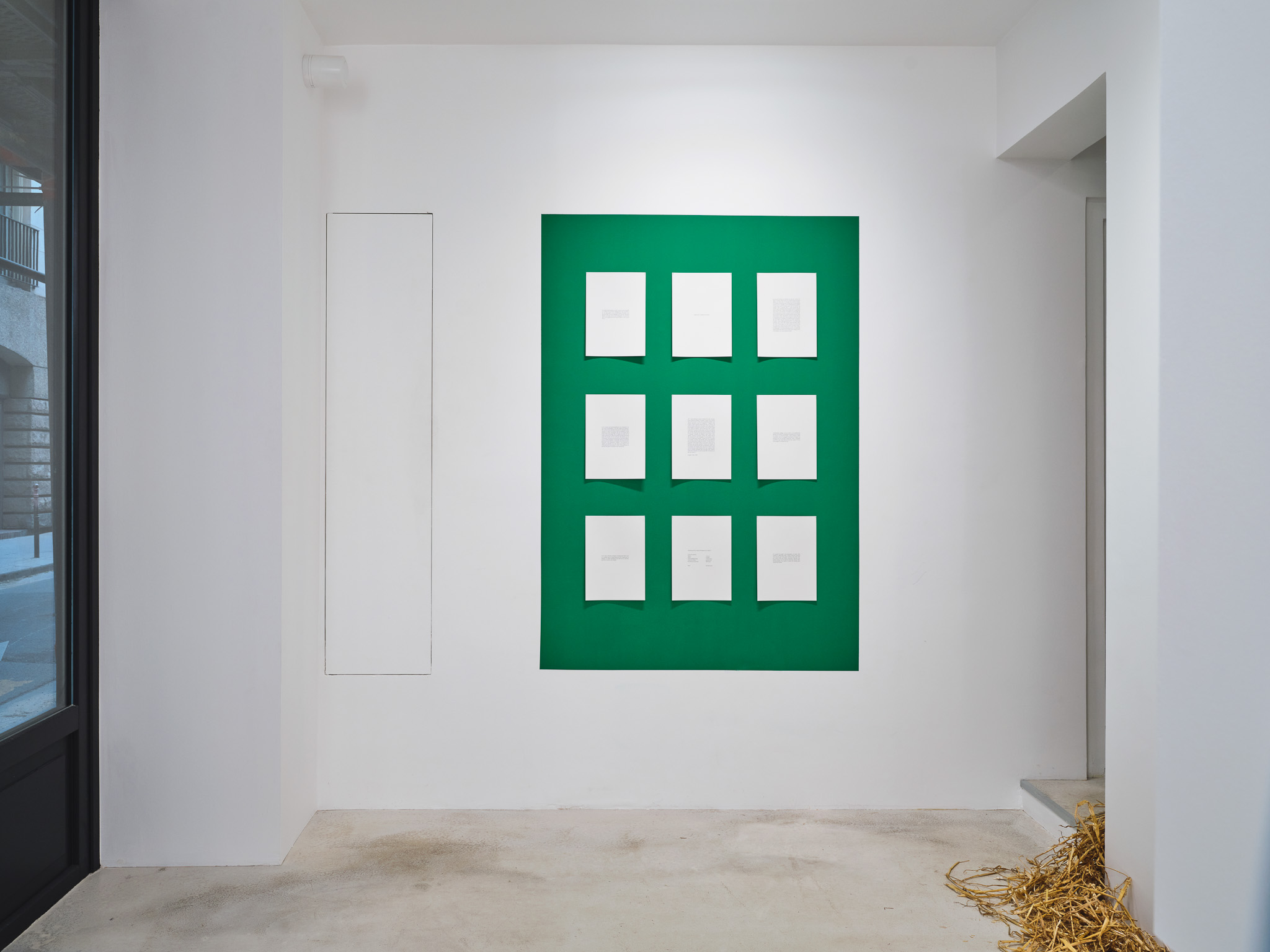
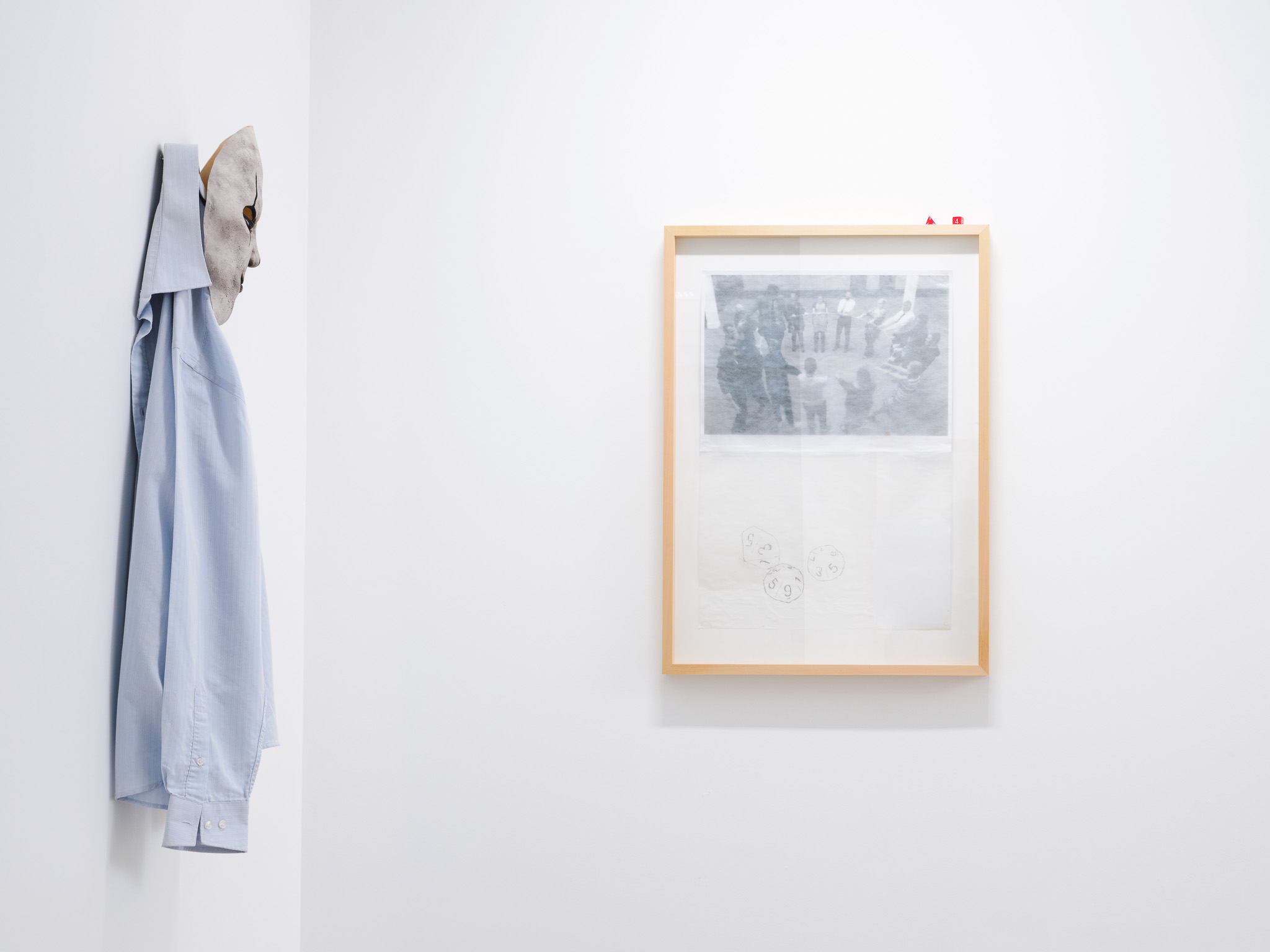
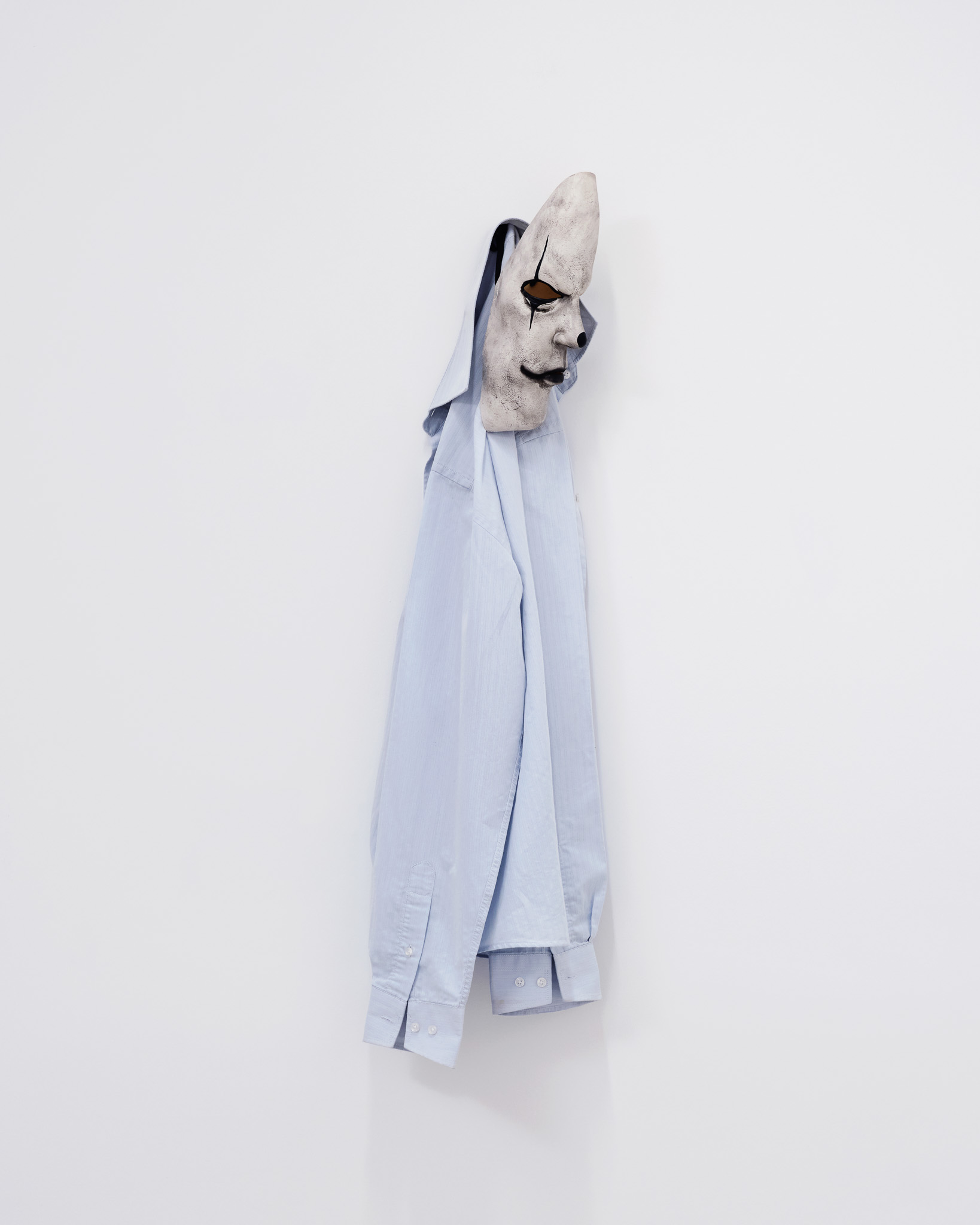
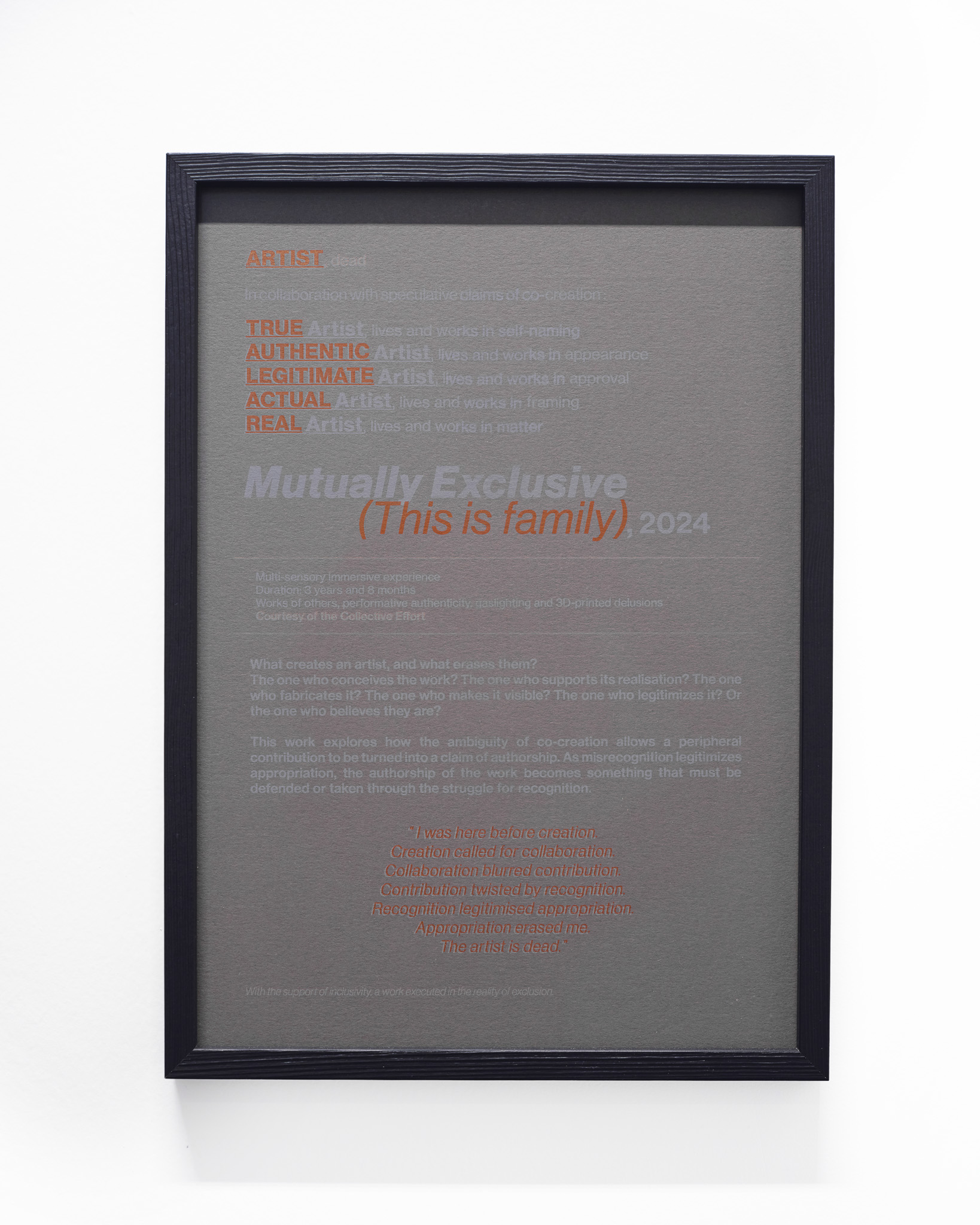



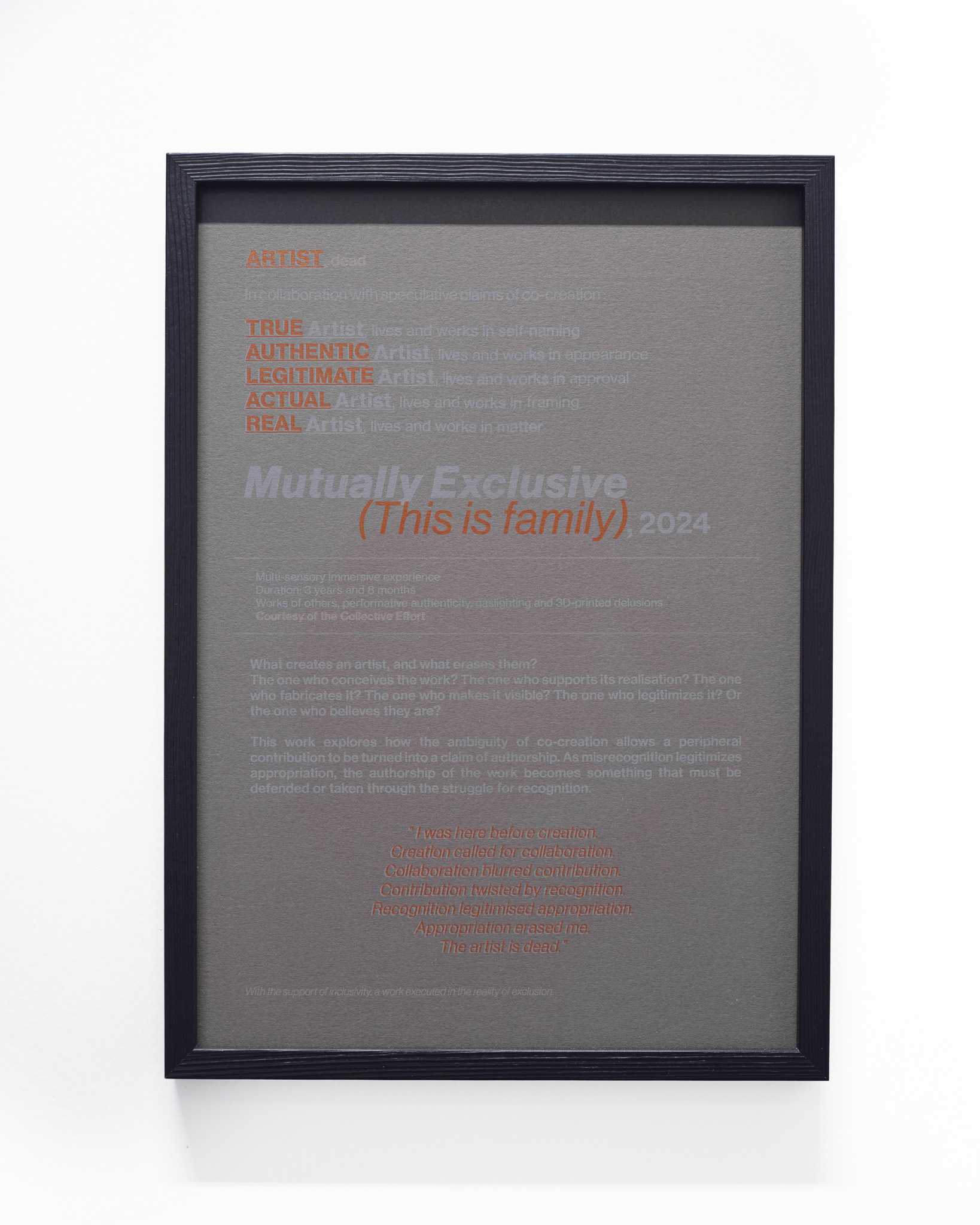
Artistic production never takes place solely within the studio, nor does it stem from a fixed identity. It is equally bound up with the different social relations in which artists take part. At school, within institutions, companies, or other professional and social contexts, artists enter into different positions, leave them, and continually move from one to another; artistic production likewise unfolds through the negotiations and shifts that occur between these positions. Here, "position" also encompasses the language, authority, responsibility, and visibility a person acquires within a given institutional relationship: what they can say, what they are authorised to decide, the information they can access. When the same person changes position, this room for manoeuvre shifts along with them.
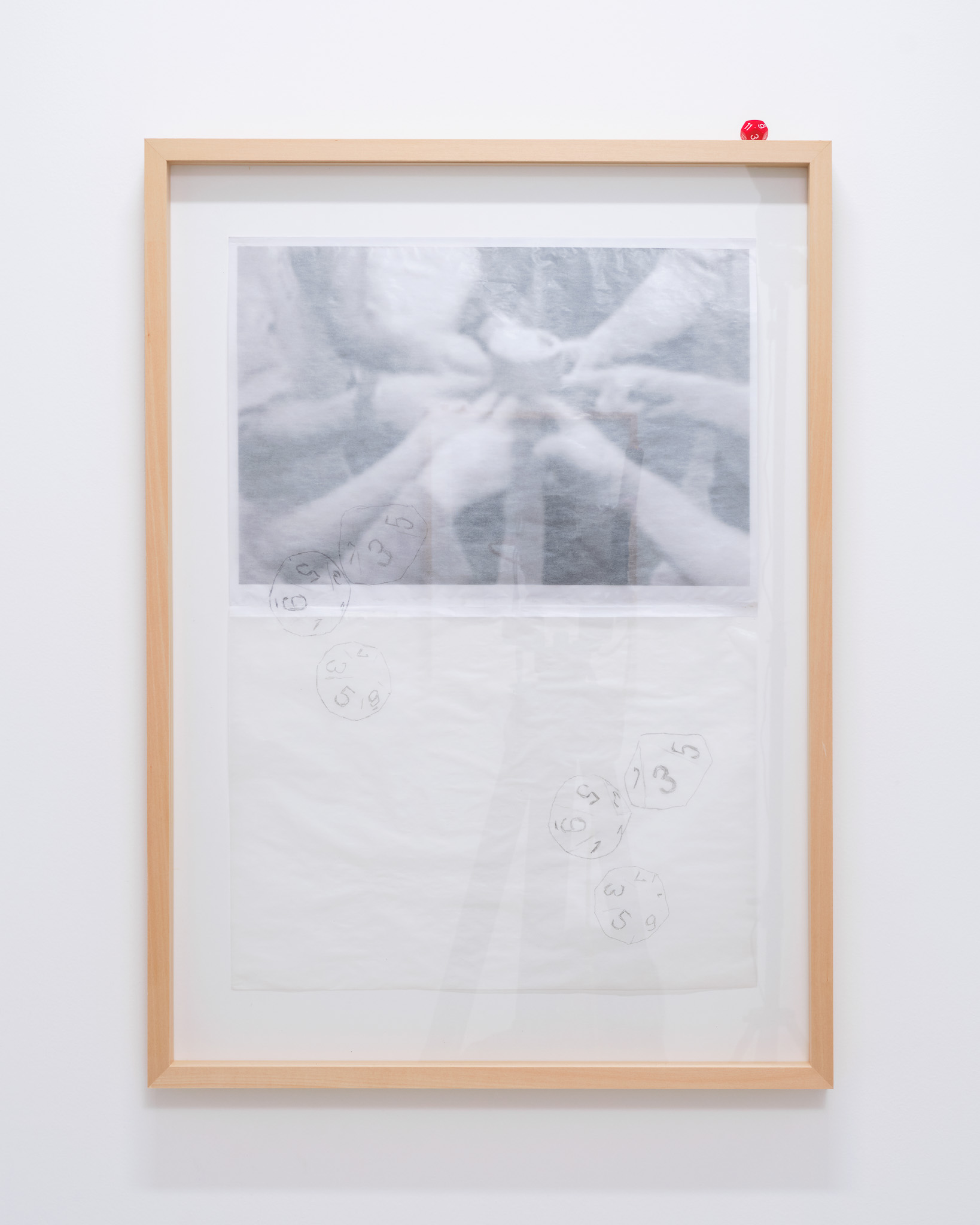
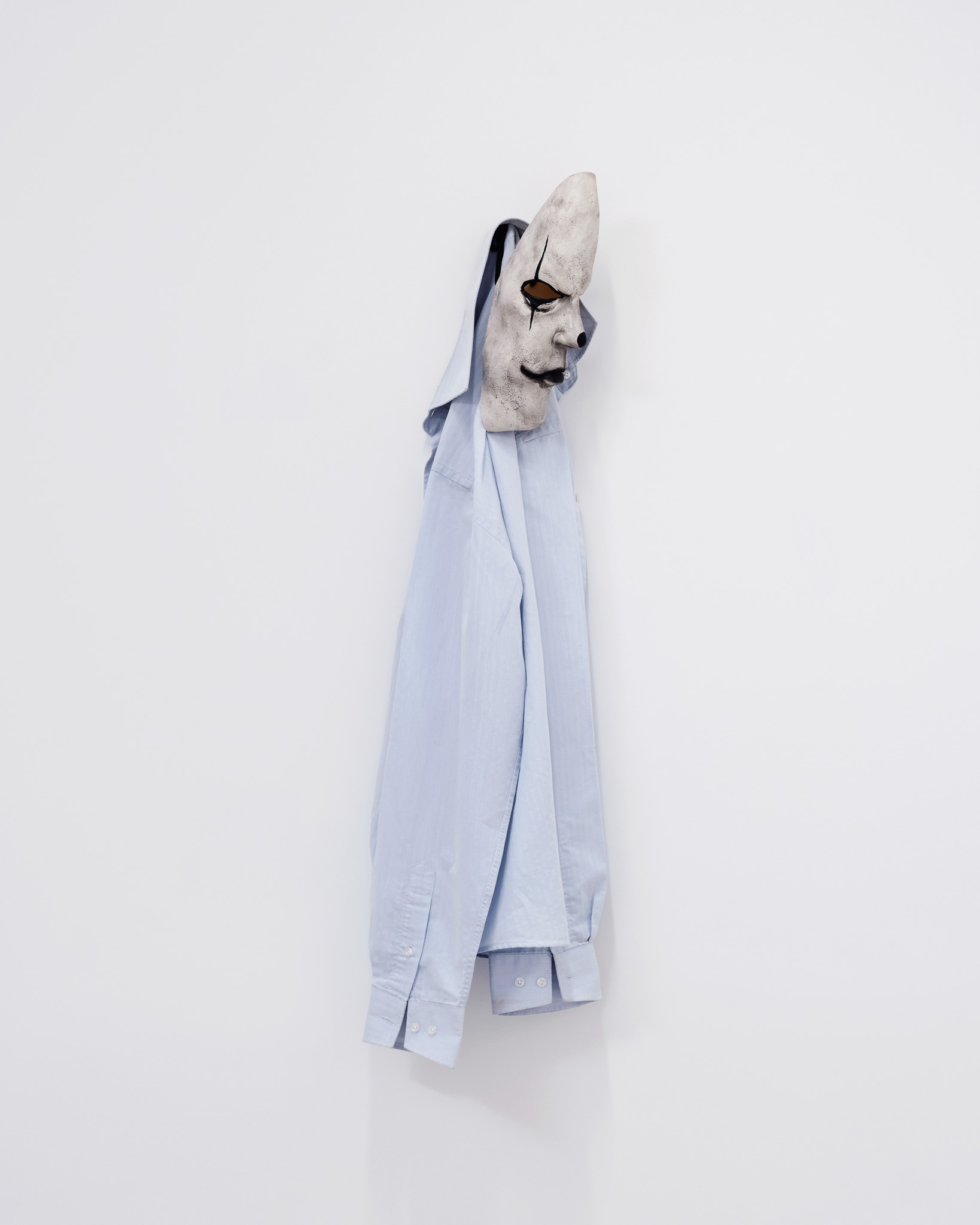
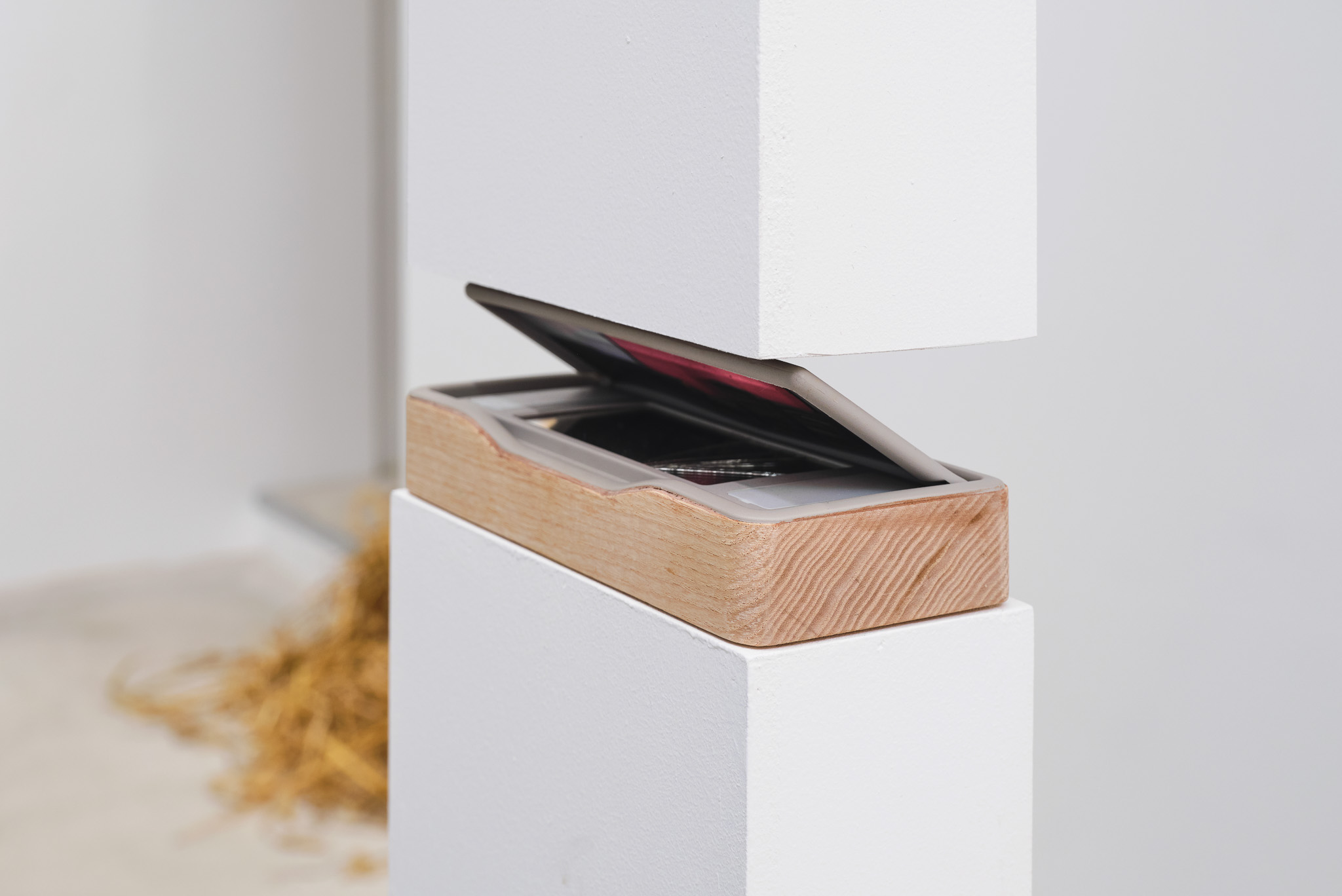
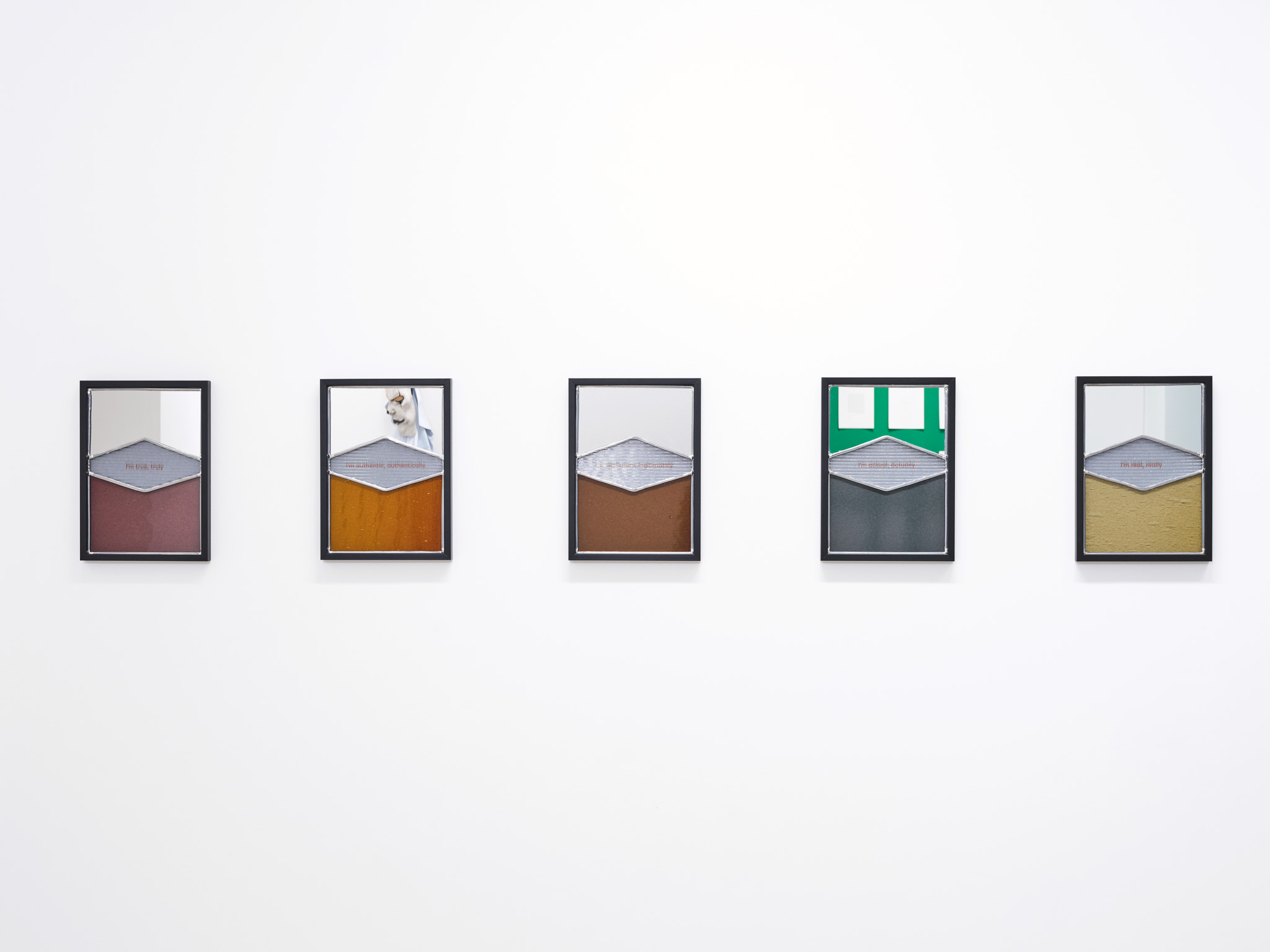
The exhibition "where is art produced ?" is concerned with the way artists enter existing social positions, occupy them, or reorganise them. Through role-play, investigation, spatial construction, or testimony, they introduce into artistic production mechanisms drawn from finance, law, and occasionally education or classification. Rather than representing these institutional roles, the works put their underlying rules to the test: who is entitled to own, to be registered, to speak? And on what evidence can a judgment be grounded?
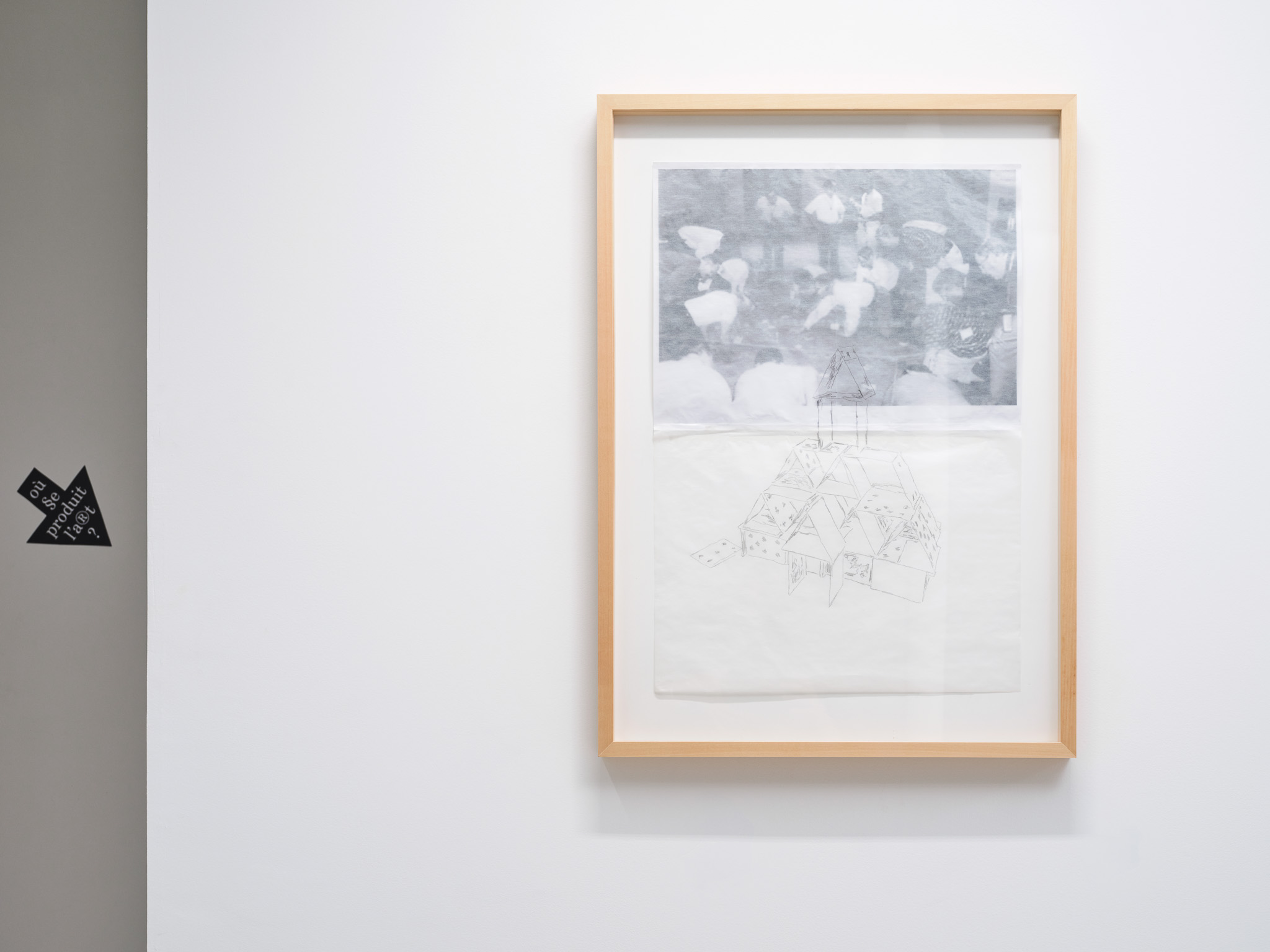
Juliette George borrows the forms of banking documents and institutional statements, temporarily placing the artist in a position of speech comparable to that of a financial institution, in order to question how both art and money are constituted through belief and the attribution of value. In Sara Noun's work, it is the school and its systems of classification that reduce the individual to being registered, classified, evaluated — an institutional imprint that persists even after their body has left those spaces. Mona Young-eun Kim, for her part, constructs contradictory testimonies, impossible to fully verify: the viewer finds themselves in the position of a juror, having to decide what to ground their belief in. With Elouan Le Bars, it is corporate games and simulated professional situations that draw participants into the role of workers required to display engagement and enthusiasm without respite — revealing how work shapes identity itself.
This shift does not stop at the artwork: it transforms its very function, which becomes a device that puts these positions to the test and exposes their underlying rules. The artists' perspectives lead the public to reconsider how these frameworks act upon individuals, and how these adjustments, once accepted, come to reproduce themselves in daily life. The exhibition does not rest on the simple model in which "the artist would propose a new way of seeing that the viewer would receive," it emphasises a continuous circulation of positions and questions: social reality enters artistic practice, is reorganised there by the artist, and reaches the public, before returning to public life through understanding, judgment, and discussion. Roles and relations that once seemed fixed can thus become, once again, objects of debate and possible transformation.
The public programme after the signature taking place on October 3 extends this process by giving it a concrete place and form: the questions of value, judgment, labour, and power raised by the works are replayed among the participants themselves, through conversations and collective workshops. This is more than an explanatory commentary added onto the works — it is where the same questions keep circulating, between different subjects and different acts of speech, until an afternoon turns them into something to negotiate, not just observe.
Qiwen Deng & Tianyu Wang